Categories
blog

Six Proven Tips to Reverse Diabetes Naturally

Six Proven Tips to Reverse Diabetes Naturally

Diabetes has become one of the most common lifestyle disorders of our time. But here’s some good news — in the early stages, diabetes can be reversed or brought under control through certain scientifically proven lifestyle modifications. The process is called diabetes reversal, and it focuses on improving your body’s insulin sensitivity and making it more energy efficient.

In a recent discussion by Dr. Arun Karthik, the best diabetologist in Coimbatore, explains six simple yet effective tips that can help reverse diabetes, especially in its early stage. His approach focuses on understanding the root cause — insulin resistance — and addressing it with natural methods that balance diet, exercise, hormones, and metabolism.

Let’s understand how each of these six methods works and why they’re essential for managing or reversing diabetes.

Understanding the Core Problem: Insulin Resistance

Before jumping into the six tips, it’s important to understand why diabetes develops. The pancreas produces insulin, a hormone that helps your body use glucose (sugar) from food for energy. However, in people with type 2 diabetes or prediabetes, the body becomes resistant to insulin — meaning the cells don’t respond to insulin effectively.

This condition is known as insulin resistance. It’s like having a key (insulin) that no longer fits the lock (your cells). As a result, glucose remains in the bloodstream instead of being used for energy, causing high blood sugar levels.

Dr. Arun Karthik compares this to a car that isn’t energy efficient — even though petrol (insulin) is available, it’s not being used effectively. The goal of diabetes reversal, therefore, is to make the body energy efficient again by reducing insulin resistance.

Creating a Calorie Deficit

The first and most important step in reversing diabetes is achieving a calorie deficit. This means consuming fewer calories than your body burns in a day.

Why is this important?
Excess fat — especially visceral fat around the abdomen — increases insulin resistance. Reducing body fat helps your cells respond better to insulin. Maintaining an ideal Body Mass Index (BMI) plays a crucial role in this process.

Dr. Arun Karthik explains that a calorie deficit doesn’t mean starving yourself. Instead, it’s about smart calorie management — balancing what you eat with how much energy you expend through activity.

Simple ways to create a calorie deficit include:

  • Reducing portion sizes gradually
  • Choosing nutrient-dense, low-calorie foods
  • Avoiding sugary snacks and processed foods
  • Increasing daily physical activity

By maintaining a calorie deficit consistently, your body starts using stored fat for energy, which directly improves insulin sensitivity.

Incorporating Resistance Exercises

Exercise is one of the most powerful tools against diabetes, and resistance training in particular works wonders.

Resistance exercises involve working your muscles against an external force — such as weights, resistance bands, or even your own body weight. Examples include push-ups, squats, lunges, or using dumbbells.

Why resistance training?
Because muscle is metabolically active tissue. The more muscle you have, the better your body becomes at using glucose for energy. It also increases the number of insulin receptors on your cells, making them more responsive.

Dr. Arun Karthik recommends combining strength training with light cardio exercises like walking or cycling. Even two to three sessions of resistance workouts per week can significantly improve your insulin sensitivity and energy balance.

Practicing Intermittent Fasting Intermittent fasting for Diabetes Management 

The third method focuses on intermittent fasting (IF) — a popular and scientifically backed dietary pattern that helps regulate hormones and enhance metabolism.

Intermittent fasting involves alternating between periods of eating and fasting. One commonly discussed pattern is the 16-hour fasting window, where you eat all your meals within a 8-hour window and fast for the remaining 18 hours.

How does IF help diabetes reversal?

  • It allows insulin levels to drop during the fasting period, giving your body a break from constant insulin spikes.
  • It enhances autophagy, a process where your body clears damaged cells and regenerates new ones.
  • It improves metabolic flexibility, helping your body shift from burning glucose to burning fat for energy.

However, intermittent fasting should be started gradually and under medical supervision, especially for those already on diabetes medication. At Diacare Diabetic Centre in Coimbatore, patients are often guided on safe and personalized fasting schedules based on their glucose patterns and medical condition.

Managing Stress and Hormonal Balance

One of the most overlooked causes of insulin resistance is stress.

When you’re stressed, your body releases hormones like cortisol and adrenaline — often referred to as “stress hormones.” These hormones can increase blood sugar levels and interfere with insulin function.

Dr. Arun Karthik likens this to having a “glucose savings bank account.” When stress hormones dominate, the body starts saving glucose instead of spending it for energy. Over time, this creates a hormonal imbalance that worsens insulin resistance.

The solution? Stress management techniques such as:

  • Meditation and mindfulness
  • Breathing exercises
  • Yoga or light stretching
  • Listening to calming music
  • Ensuring adequate sleep and relaxation

Even a few minutes of meditation daily can help regulate stress hormones, reduce inflammation, and balance the body’s energy systems.

Increasing Dietary Fiber Intake

Dietary Fibre Intake for Diabetes Management

Another major component of diabetes reversal is dietary fiber.

Fiber, especially soluble fiber, slows down digestion and the absorption of sugar. It also feeds the beneficial bacteria in your gut, which produce short-chain fatty acids (SCFAs). These SCFAs play a vital role in reducing inflammation and improving insulin sensitivity.

High-fiber foods include:

  • Vegetables (especially leafy greens)
  • Legumes like beans and lentils
  • Whole grains such as oats and barley
  • Fruits like apples, guavas, and berries
  • Seeds like flaxseed and chia seeds

Dr. Arun Karthik emphasizes that increasing fiber not only helps in glucose control but also promotes satiety, making calorie management easier. Patients who switch to fiber-rich meals often notice better digestion, improved energy levels, and stable blood sugar patterns.

Using the Right Supplements to Reduce Inflammation

The last tip revolves around specific supplements that target inflammation and insulin resistance. Chronic inflammation can impair the body’s ability to use insulin effectively, so reducing it is key to diabetes reversal.

Certain natural compounds are known to help:

  • Curcumin (found in turmeric): reduces inflammation and oxidative stress
  • Cinnamon: enhances insulin sensitivity and lowers fasting glucose levels
  • Vitamin D: improves insulin function and immune balance
  • Chromium: helps in carbohydrate metabolism and supports insulin activity

However, supplements should never replace a balanced diet. At Diacare Diabetic Centre, supplements are recommended only after proper evaluation of nutrient levels, ensuring that they complement your overall lifestyle plan safely.

The Bigger Picture: Making Your Body Energy Efficient

All these six methods — calorie deficit, resistance exercises, intermittent fasting, stress management, fiber intake, and targeted supplements — aim to achieve one ultimate goal: making the body energy efficient.

Think of it like making a home energy efficient — fixing leaks, using better insulation, and managing power usage smartly. Similarly, your body becomes efficient when insulin works properly, glucose is used effectively, and fat storage is minimized.

When this happens, blood sugar levels start to normalize, and in many cases, diabetes can be reversed or put into remission.

Also Read: How to Choose the Right Diabetes Treatment Plan for You?

Why Expert Guidance Matters

While the internet is full of quick fixes and fad diets, diabetes reversal requires a personalized and medically guided approach. Factors such as age, medication, co-existing health issues, and activity levels play a huge role in determining what works best for you.

That’s where experienced specialists like Dr. Arun Karthik, one of the best diabetologists in Coimbatore, come in. At Diacare Diabetic Centre, his holistic programs combine medical science with lifestyle transformation. Patients receive customized plans covering diet, exercise, stress management, and continuous glucose monitoring — ensuring that diabetes reversal is safe, sustainable, and scientifically backed.

Under Dr. Arun Karthik’s guidance, many individuals have successfully reversed their early-stage diabetes, reduced medication dependency, and regained overall health.

Conclusion

Diabetes reversal isn’t a miracle — it’s a process. It involves consistent effort, patience, and lifestyle modification. By addressing insulin resistance through calorie management, strength training, intermittent fasting, stress control, fiber-rich diets, and anti-inflammatory nutrients, you can gradually retrain your body to use insulin efficiently.

As Dr. Arun Karthik says, “Reversing diabetes is about making your body energy efficient again. Once you understand your metabolism, you can take charge of your health.”

If you’re looking to begin your diabetes reversal journey safely, consult the experts at Diacare Diabetic Centre in Coimbatore, where advanced care meets a holistic approach to wellness. Your road to a healthier, diabetes-free life could begin today.
Categories
blog

Leg Blackening in Diabetics: Causes, Symptoms, and Effective Treatments

Blackening of Legs  in Diabetics: Causes, Symptoms, and Effective Treatments

For many people living with diabetes, noticing dark or black patches on the legs can be alarming. The first thought that often comes to mind is, “Is this serious?” or “Could this lead to complications like gangrene or amputation?” While leg blackening can be a sign of poor circulation or other underlying issues, it’s important to understand that not all causes are dangerous. Some are harmless and reversible with proper care, while others require urgent medical attention.

Dr. Arun Karthik, the best diabetologist in Coimbatore, emphasizes that while some causes are minor and manageable, others can pose serious risks if ignored. Early detection, proper diabetes management, and timely medical intervention are crucial to maintaining healthy legs and preventing complications.

In this guide, we will explore the five primary causes of leg blackening in diabetic patients, explain how to recognize them, and discuss effective management and treatment strategies.

Diabetic Shin Spots (Hyperpigmented Dermatopathy)

Diabetic Dermatopathy

What it is

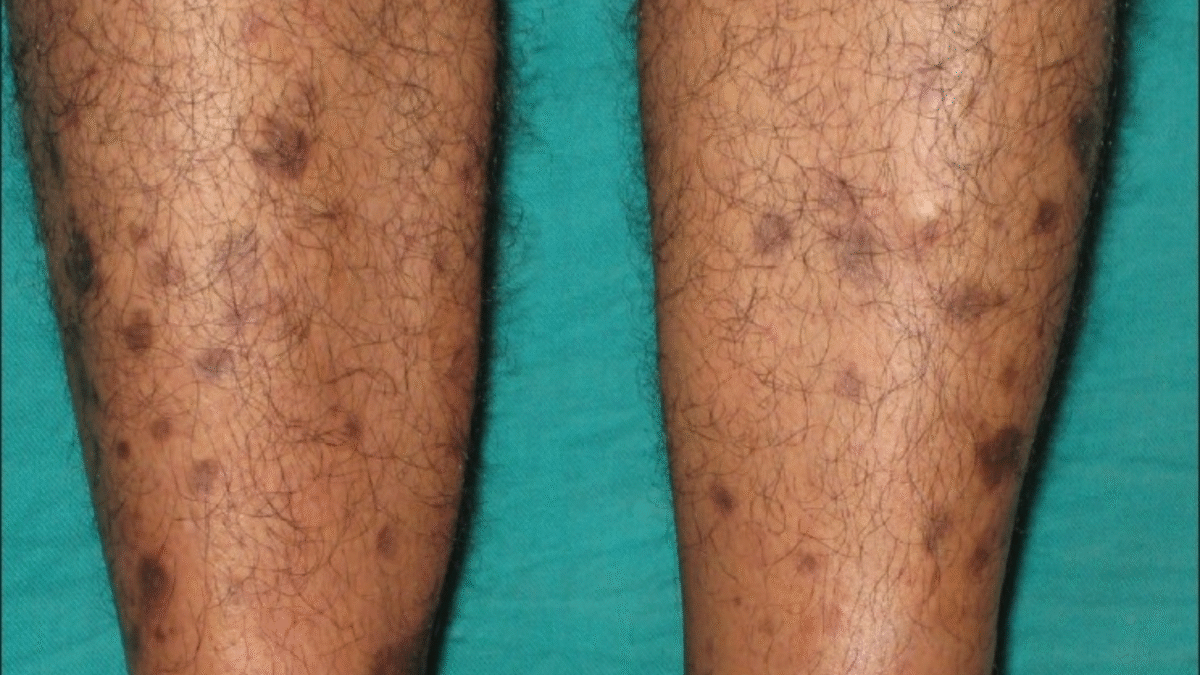
One of the most common and least concerning causes of leg darkening in diabetic patients is Diabetic Dermopathy, also known as Shin Spots. These spots typically appear on the front of the lower legs, below the knees. They are small, round, brown or black patches, often likened in size to a small coin or a forehead bindi.

Why it happens

Diabetic dermopathy is linked to long-term high blood sugar levels, which can damage the small blood vessels and nerves in the skin. Minor injuries, such as bumps or knocks, can also trigger these spots. It is important to note that these spots are painless, non-itchy, and do not usually indicate a serious underlying problem.

People with diabetes for over 10 years are more likely to develop these spots, and they may appear in clusters or in a linear pattern along the shin.

Symptoms

  • Small, round brown or black spots on the lower legs


  • No pain, burning, or itching


  • May appear more after minor injuries

Treatment

There is no specific medical treatment required for diabetic shin spots. The key is maintaining optimal blood sugar control, which helps these marks gradually fade over time. Regular skincare, avoiding injuries, and keeping the legs moisturized can prevent new spots from forming.

While these spots can look alarming, they are generally harmless and are often the first sign of long-term diabetes-related skin changes.

Xerotic Eczema (Dry Skin or Xerotic Dermatitis)

Xerotic Eczema (1)

What it is

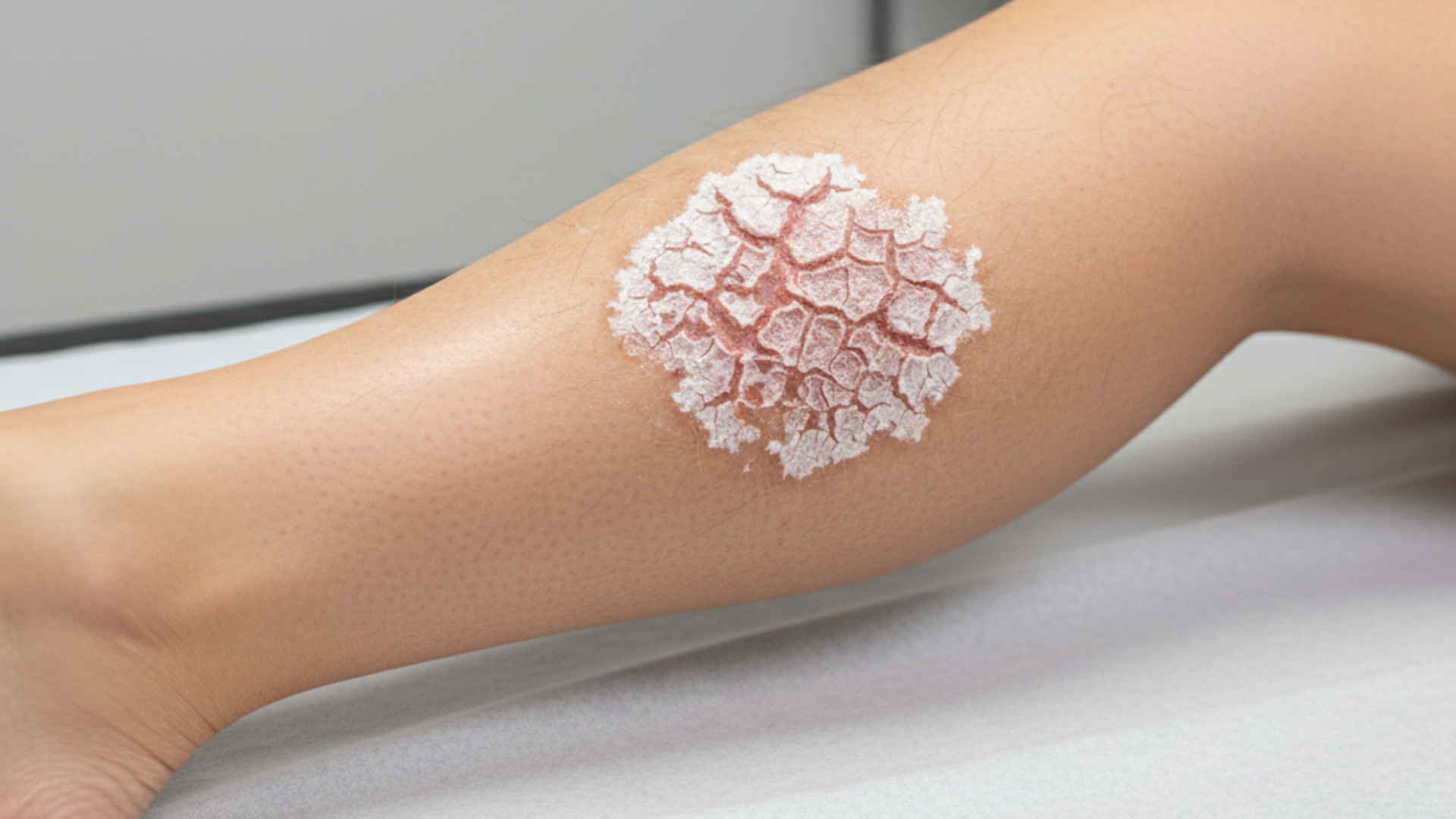
As people age, especially those with diabetes, the skin tends to become dry and flaky. This condition, known as Xerotic Eczema, can make the legs appear dark, rough, and scaly, resembling fish scales or peeling paint. Xerotic eczema is not only a cosmetic issue; it can cause discomfort and intense itching, which may interfere with daily life.

Why it happens

In diabetes, the oil glands in the skin produce less sebum, the natural oil that keeps the skin hydrated. This reduction in natural oils, combined with poor circulation and dehydration, leads to dry, rough, and sometimes cracked skin, particularly below the knees. Dryness tends to worsen during cold or dry seasons and can become severe if left untreated.

Symptoms

  • Dry, rough, or scaly skin


  • Itchy patches, especially in the evenings


  • Powdery white flakes mixed with darkened areas


  • Cracked skin that may be prone to minor infections

Treatment

  • Apply oil-based moisturizers or emollients daily to restore hydration


  • Use mild, fragrance-free soaps and avoid hot showers, which strip the skin of oils


  • Take anti-itch medications if necessary


  • Keep the skin protected with comfortable clothing and avoid scratching


While xerotic eczema is generally not dangerous, persistent dryness can increase the risk of skin infections. Maintaining proper hydration, skincare, and blood sugar control can prevent complications.

Venous Stasis Ulcer

What it is

Venous Stasis Ulcers are more serious than shin spots or xerotic eczema. They occur when blood pools in the veins of the lower legs due to weak or damaged vein valves. This condition, also referred to as Chronic Venous Insufficiency, often results in darkened skin, swelling, and in severe cases, open sores (ulcers).

Why it happens

The veins in our legs contain one-way valves that help blood flow back to the heart. When these valves weaken or fail, blood begins to pool in the lower legs, increasing pressure and causing the skin to darken. Over time, iron from red blood cells leaks into the skin, creating a brown or black pigmentation known as Hemosiderosis.

Diabetic patients are more prone to venous stasis ulcers because long-term high blood sugar can damage veins and affect circulation. Standing or walking for extended periods further aggravates the condition.

Symptoms

  • Swelling, heaviness, or aching in the legs


  • Dark brown or black patches on the lower legs


  • Itching or throbbing pain, particularly at night


  • Thickened skin or open ulcers in advanced cases


  • Visible twisted or bulging veins (varicose veins)

Treatment

  • Compression stockings improve blood flow and reduce swelling


  • Elevating the legs above heart level several times a day


  • Regular exercise to stimulate circulation


  • Surgical or vascular interventions in severe cases with ulcers

Early intervention can prevent progression to painful ulcers and reduce the risk of infections or chronic wounds.

Kyrle’s Disease (Acquired Perforating Dermatosis)

Kyrle’s Disease

What it is

Kyrle’s Disease, or Acquired Perforating Dermatosis, is a less common cause of leg blackening. It usually occurs in diabetic patients with kidney disease. This condition appears as dark circular spots with white centers, and it is often accompanied by intense itching and discomfort.

Why it happens

Kyrle’s Disease is linked to impaired kidney function. When the kidneys fail to remove toxins effectively, waste products build up in the body and trigger inflammatory skin reactions, resulting in black, itchy lesions. This condition is most common in people with chronic kidney disease or those undergoing dialysis.

Symptoms

  • Small, dark spots with raised white centers


  • Severe, persistent itching


  • Skin may become thickened and rough over time


  • Often affects both legs symmetrically

Treatment

  • Managing the underlying kidney problem is crucial


  • Use anti-itch medications and oil-based moisturizers to reduce discomfort


  • Control blood sugar and blood pressure to prevent worsening symptoms


  • Avoid scratching to prevent infections


Although Kyrle’s Disease can be persistent, proper treatment of kidney and diabetic issues can significantly reduce symptoms and improve quality of life.

Peripheral Arterial Disease (PAD) – The Most Dangerous Cause

What it is

Among all causes of leg blackening, Peripheral Arterial Disease (PAD) is the most serious. PAD occurs when the arteries that carry oxygen-rich blood from the heart to the legs become narrowed or blocked. Reduced blood flow means that tissues don’t get enough oxygen, which can lead to pain, blackened skin, tissue death, and gangrene if left untreated.

Why it happens

PAD is primarily caused by atherosclerosis, a buildup of fatty deposits inside the arteries. Diabetics, people with high cholesterol, and smokers are at much higher risk. Smoking, in particular, accelerates arterial damage and worsens circulation problems.

Symptoms

  • Pain in the calves while walking (called claudication pain), relieved by rest


  • Cold, pale, or numb feet


  • Non-healing wounds or ulcers on the toes or feet


  • Blackened areas indicating tissue death


  • Progressive leg pain, even at rest, in advanced stages

Treatment

  • Seek medical attention immediately if you notice blackened areas or non-healing wounds


  • Diagnostic tests such as Doppler scans or angiograms to assess blood flow


  • Lifestyle changes: quit smoking, control cholesterol, maintain blood sugar


  • Medications to improve circulation and prevent blood clots


  • Surgical procedures, including angioplasty or bypass surgery, may be necessary in severe cases

When to See a Doctor

Leg blackening, persistent swelling, or pain should never be ignored. According to Dr. Arun Karthik at Diacare Centre in Coimbatore, diabetic patients should consult a doctor promptly if they notice:

  • Dark or black patches that do not fade


  • Non-healing wounds, sores, or ulcers on the feet or toes


  • Severe itching or discomfort that does not improve with moisturizers


  • Cold, numb, or pale feet indicating poor circulation


Timely medical evaluation at a specialized center like Diacare ensures proper diagnosis and treatment, helping to prevent serious complications such as gangrene or amputation.

Also Read: Ten Everyday Foods to Help Control Diabetes Naturally

Preventing Leg Blackening in Diabetics

While some causes of leg blackening are unavoidable with long-term diabetes, many can be prevented or managed through consistent care:

  1. Maintain optimal blood sugar levels through medication, diet, and exercise.


  2. Moisturize daily to prevent dryness and itching.


  3. Wear comfortable, protective footwear to prevent injuries.


  4. Avoid smoking, which damages blood vessels.


  5. Regularly check your legs and feet for changes in skin color, swelling, or wounds.


  6. Elevate your legs when sitting to improve circulation.


  7. Exercise regularly to support vascular health.

By combining good diabetic control with careful skin and vascular care, patients can significantly reduce the risk of serious leg complications.

Conclusion

Leg blackening in diabetics can arise from a range of causes — from harmless skin changes to serious vascular complications. The key to prevention and treatment lies in early detection, proper blood sugar management, skincare, and timely medical intervention.

Mild conditions like diabetic shin spots and xerotic eczema are generally harmless and improve with routine care. Conditions such as venous stasis ulcers, Kyrle’s Disease, and Peripheral Arterial Disease (PAD) require more intensive care and, in some cases, urgent attention.

Regular monitoring, proper skincare, and expert diabetes treatment in Coimbatore from specialists like Dr. Arun Karthik at Diacare Centre, will help diabetic patients maintain healthy, strong legs and prevent serious complications, allowing them to stay mobile and independent.

Categories
blog

Ten Everyday Foods to Help Control Diabetes Naturally

Ten Everyday Foods to Help Control Diabetes Naturally

Managing diabetes doesn’t mean giving up on delicious food — it’s about choosing the right kind of nutrition that helps keep your blood sugar levels balanced while supporting your overall health. A balanced diabetic diet focuses on foods that are nutrient-rich, low in glycemic index (so they don’t spike blood sugar), easily available, and affordable for everyday use.

At Diacare, Diabetic Centre in Coimbatore, we follow a compassionate, personalized, and preventive approach to diabetes management. Under the guidance of Dr. Arun Karthik, our focus is on helping patients make sustainable lifestyle changes through nutrition, fitness, and medical care — ensuring long-term control and a better quality of life.

Here’s a list of 10 simple, science-backed foods that diabetic patients can include in their daily routine for better sugar control, gut health, and overall well-being.

Ten Everyday Foods to Help Control Diabetes Naturally

Eggs – The Complete Protein Source

Eggs are often called a “complete food” because they contain almost every nutrient the human body needs. One egg provides about 6–9 grams of high-quality protein and only around 60 calories.

For diabetics, eggs help maintain muscle mass and support stable energy levels without affecting blood sugar.

They also contain:

  • Selenium, which supports insulin production, and
  • Choline, which helps reduce fatty deposits in the liver.

Consuming up to two eggs per day, including the yolk, is safe for most people with diabetes. Even heart patients can safely include one whole egg a day when following a balanced diet.

Apple – The Fiber-Rich Fruit

An apple a day truly can help keep sugar spikes at bay. A medium-sized apple contains only 40–50 calories and 3–4 grams of soluble fiber, which slows digestion and promotes a steady release of glucose into the bloodstream.

The fiber also feeds healthy gut bacteria, improving digestion and immunity. The peel of the apple contains antioxidants like lycopene, which protect cells from damage.

Many people worry about the wax coating on apples, but most store-bought apples use natural Carnauba wax, derived from palm trees — it’s safe to consume.

For best results, eat apples with the peel to gain full fiber and antioxidant benefits.

Soybeans – A Vegetarian Power Protein

Among all plant-based proteins, soybeans stand out as the most protein-rich — offering about 35 grams of protein per 100 grams.

They’re also packed with fiber (about 20 grams) and contain fewer carbohydrates compared to other pulses. This combination keeps you fuller for longer and helps regulate blood sugar.

Soybeans can be consumed in multiple forms:

  • Soya chunks or “meal maker”
  • Tofu (a paneer alternative made from soy milk)
  • Soybean gravies or curries

Contrary to popular belief, moderate soybean consumption does not affect fertility or hormones. It’s a safe and excellent option for diabetics, especially vegetarians.

Ten Everyday Foods to Help Control Diabetes Naturally

Curd (Yogurt) – The Gut-Friendly Probiotic

Curd, or yogurt, is a must-have in a diabetic diet. It provides probiotics — live bacteria that improve digestion and help maintain a healthy gut environment.

Each cup of curd offers about 40–50 calories, 3–4 grams of protein, and a small amount of Vitamin B12, which is otherwise difficult to get in vegetarian diets.

It’s also well tolerated by people who struggle to digest milk.

Including curd in all three meals — one cup each during breakfast, lunch, and dinner — can aid digestion, improve immunity, and stabilize sugar levels without raising blood glucose.

Carrots – The Perfect Anytime Snack

Carrots are 90% water and contain just 30 calories per 100 grams. With a low glycemic index and minimal sugar content (about 3–4 grams per 100 grams), they are perfect for diabetics who crave a healthy, crunchy snack.

The insoluble fiber in carrots supports gut health and helps prevent constipation.

When hunger strikes between meals, grab a fresh carrot — it’s filling, tasty, and safe for sugar levels. You can enjoy it raw, steamed, or as part of salads and curries.

Pumpkin Seeds – The Tiny Nutrient Powerhouses

Pumpkin seeds are a fantastic snack for people with diabetes. Though small in size, they are dense with nutrients and contain no starch or refined carbohydrates.

They’re rich in:

  • Protein and healthy fats (PUFAs) that support heart health
  • Magnesium and calcium for strong bones
  • Fiber that aids digestion and blood sugar control

A handful of pumpkin seeds can be eaten as a snack, sprinkled on salads, or blended into smoothies for an added nutrient boost.

Cinnamon Powder – Nature’s Blood Sugar Regulator

Cinnamon isn’t just a kitchen spice — it’s a natural remedy for better sugar control. Research shows that cinnamon can:

  1. Reduce inflammation, which improves insulin function.
  2. Enhance insulin sensitivity, allowing the body to use insulin more efficiently.

For a soothing bedtime drink, mix one teaspoon of cinnamon powder into a glass of warm milk. This can help control fasting blood sugar, reduce overnight glucose release from the liver, and curb midnight hunger pangs.

Ten Everyday Foods to Help Control Diabetes Naturally

Barnyard Millet (Kuthiraivali) – The Smart Grain Alternative

Millets are ancient grains making a strong comeback — and Barnyard Millet is one of the best for diabetics.

It has the lowest Carbohydrate-Fiber Ratio (CFR) among millets — just 5, compared to 25 in white rice. This means it releases sugar slowly, helping maintain stable glucose levels.

Since its taste and texture are similar to rice, it can easily replace white rice in meals. It’s also beneficial for kidney and urinary tract health.

Rotating different millets like foxtail, little millet, and barnyard millet keeps meals nutritious and balanced.

Greens (Keerai) – Nature’s Detox and Iron Source

Leafy greens are an essential part of a diabetic-friendly meal. Varieties like Drumstick Leaves (Murungai Keerai) and Agathi Keerai are especially beneficial because they’re rich in iron and plant-based protein.

These greens help purify the blood, improve hemoglobin levels, and support overall vitality. Their fiber content aids digestion and keeps sugar levels steady.

Including a small portion of greens daily — whether in poriyal, kootu, or soups — can make a big difference in long-term health.

Mushrooms (Kalaan) – A Source of Vitamin D and B12

Mushrooms are low in calories but packed with nutrients. Every 100 grams provides only 20 calories, making them an ideal addition to a diabetic meal plan.

They’re one of the few plant-based sources of Vitamin D and Vitamin B12, both vital for bone strength, nerve health, and energy production.

Their high fiber content also promotes a healthy gut and supports stable blood sugar.

Mushrooms can be enjoyed as a curry, sautéed with onions and tomatoes, or used as a light dinner option.

Also Read: How to Choose the Right Diabetes Treatment Plan for You? for more details

Ten Everyday Foods to Help Control Diabetes Naturally

Conclusion

Healthy eating for diabetics isn’t about restriction — it’s about balance and smart choices. By including these ten foods regularly, you can:

  • Improve your blood sugar control
  • Enhance energy and digestion
  • Support heart and bone health
  • Strengthen your immune system

These foods are not only easy to find but also simple to prepare, making them practical for everyday meals.

Remember, consistency is key. Combine these foods with regular exercise, adequate sleep, and routine medical checkups for complete diabetes management.

If you’re looking for expert diabetic care guided by evidence-based nutrition and lifestyle strategies, Visit Diacare Diabetic Centre, Dr. Arun Karthik, widely regarded as the best diabetologist in Coimbatore. His compassionate and preventive approach helps patients achieve long-term sugar control and a healthier, happier life.

Categories
blog

Early Kidney Damage Symptoms and Prevention

Early Kidney Damage Symptoms and Prevention

Kidneys are small but powerful organs that perform vital functions in our body, such as filtering waste, balancing electrolytes, and maintaining blood pressure. Despite their importance, kidney disease often develops silently, with early signs going unnoticed until the damage becomes more severe. For people living with diabetes or high blood pressure, the risk is even higher, making early detection and prevention critical. In Coimbatore, Dr. Arun Karthik, the Best Diabetes Doctor in Coimbatore specializes in helping patients manage diabetes while protecting kidney health through early intervention, monitoring, and personalized care.

Recognizing Early Signs of Kidney Damage

The first step in preventing kidney disease is recognizing the early symptoms. Many people underestimate these signs or attribute them to other health issues. Common early indicators include:

1. Puffy Eyes

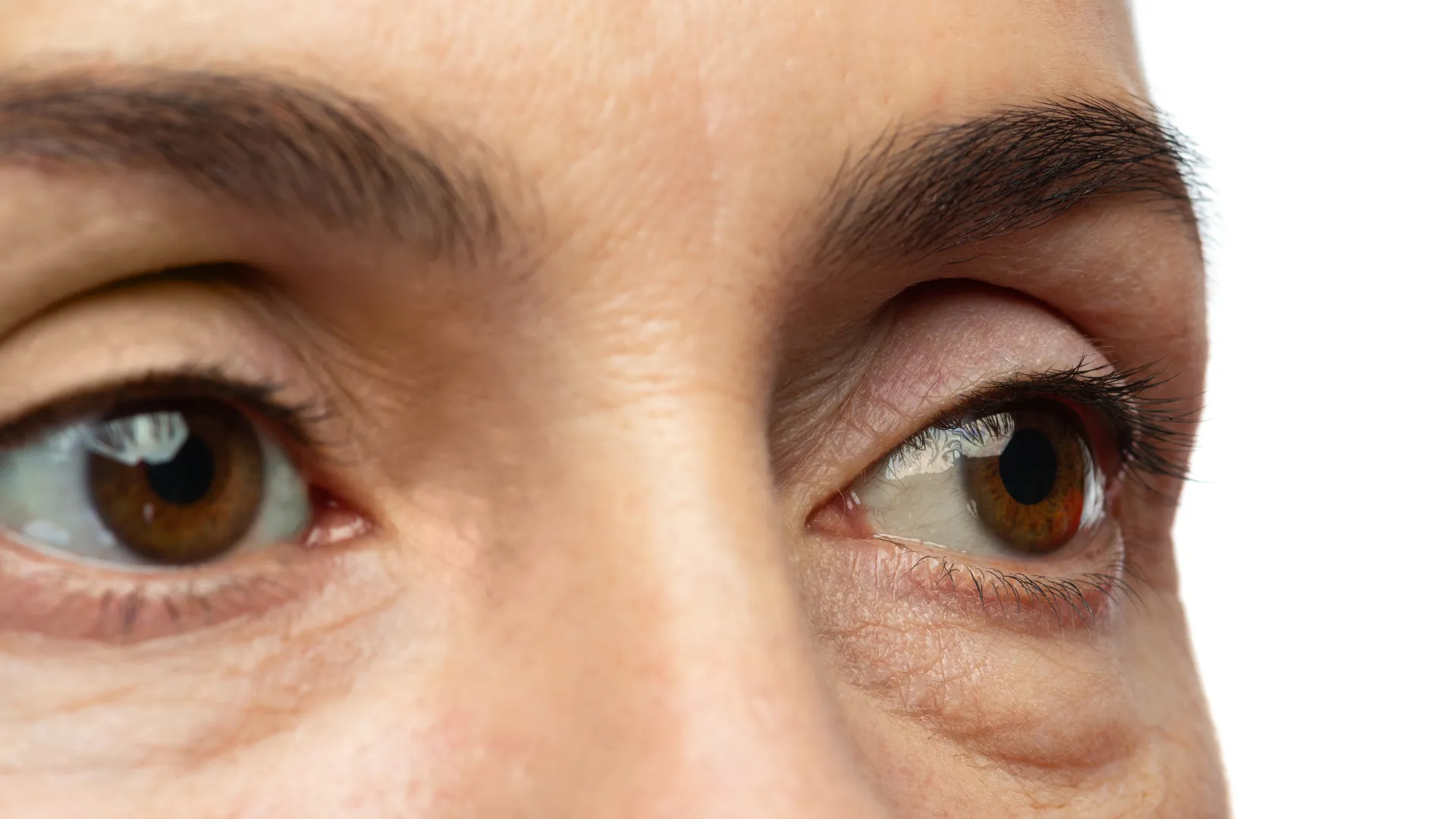
Swelling around the eyes, particularly in the morning, can indicate that the kidneys are leaking protein into the urine, a condition called proteinuria. This leakage occurs when the kidney’s filtering units, called glomeruli, are damaged. Even mild puffiness should not be ignored, especially in people with diabetes or hypertension.

Puffy Eyes

2. Swollen Feet and Ankles

Another warning sign is fluid retention in the lower extremities. Swollen feet, ankles, or legs often indicate that the kidneys are struggling to remove excess fluid from the body. Persistent swelling warrants a checkup, as untreated kidney dysfunction can lead to complications like high blood pressure, heart problems, and further kidney damage.

3. Changes in Urination Patterns

Kidney dysfunction can cause noticeable changes in urination. This may include increased frequency, particularly at night, decreased urine output, foamy urine, or even blood in the urine. Foamy urine occurs due to excess protein being excreted, signaling early kidney damage.

4. Fatigue and Weakness

When the kidneys fail to filter toxins effectively, these waste products accumulate in the bloodstream. This can result in a feeling of constant fatigue or weakness, making even simple daily tasks exhausting. It’s easy to dismiss fatigue as stress or overwork, but if it persists alongside other symptoms, kidney function tests should be considered.

5. Loss of Appetite and Nausea

Accumulation of toxins in the blood may also lead to nausea, vomiting, or a decreased appetite. While these symptoms can be caused by multiple conditions, combined with swelling and urinary changes, they can point toward early kidney damage.

It’s important to note that these symptoms are subtle and may be easily overlooked. People at higher risk, including those with diabetes, high blood pressure, a family history of kidney disease, or older adults, should be proactive about regular kidney health checkups.

Diagnostic Tests to Detect Kidney Damage

Early detection is key to preventing further kidney damage. Several diagnostic tests help assess kidney function accurately:

1. Urine Tests

Urine tests check for the presence of protein (albumin), blood, or other abnormalities. Even small amounts of protein in the urine, called microalbuminuria, can indicate the initial stages of kidney damage.

2. Blood Tests

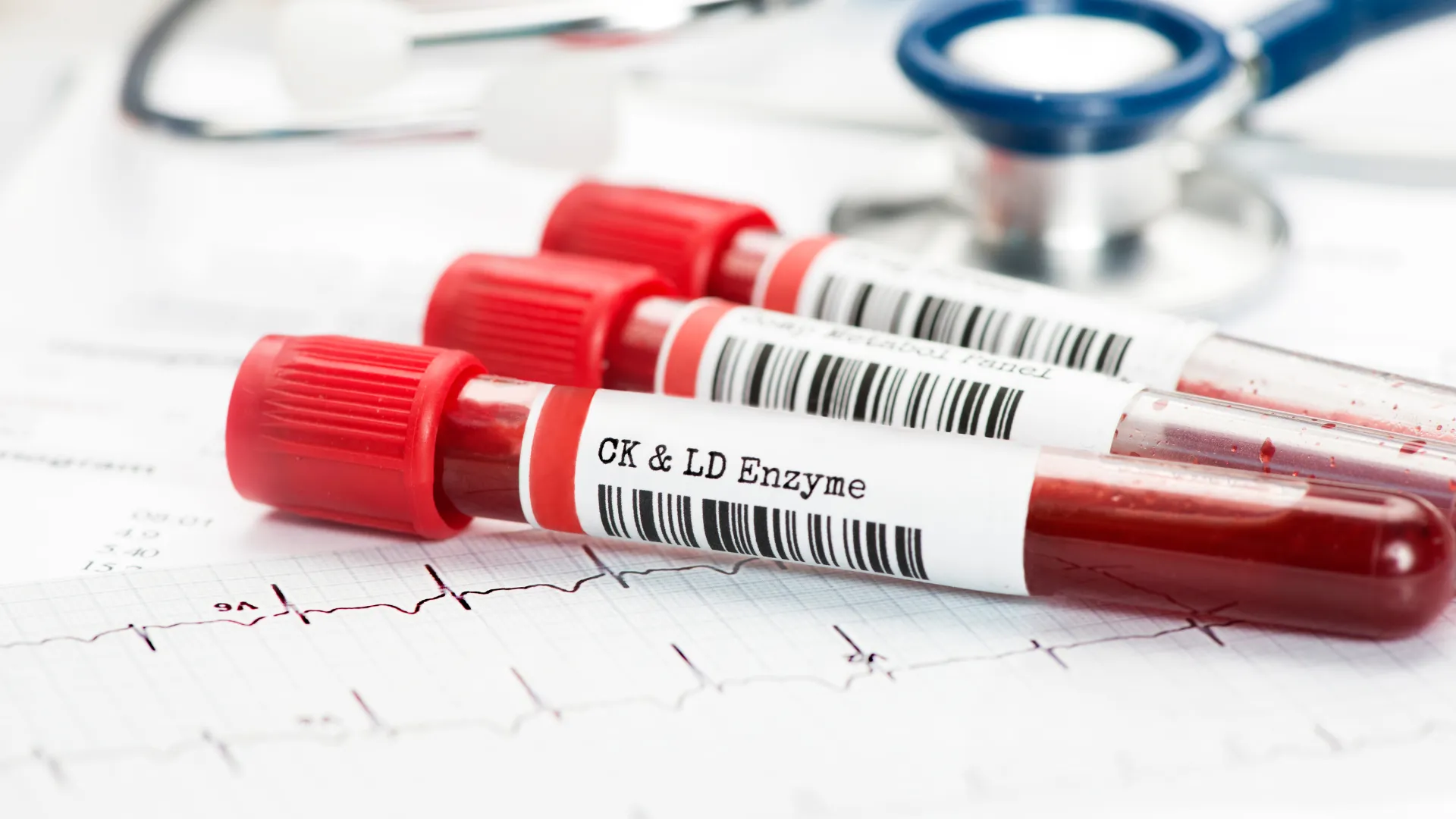
Blood tests measure urea, creatinine, and other markers to evaluate how efficiently the kidneys are filtering waste. Elevated levels of urea and creatinine indicate that the kidneys are under stress.

Blood Tests

3. Estimated Glomerular Filtration Rate (eGFR)

eGFR is a key indicator of kidney health. It calculates the rate at which the kidneys filter blood, considering factors like creatinine levels, age, sex, and body size. A declining eGFR suggests reduced kidney function.

4. Microalbumin to Creatinine Ratio

This test measures the amount of protein excreted in urine relative to creatinine. It’s particularly useful for detecting early kidney damage in diabetic patients, often before more obvious symptoms appear.

Regular monitoring through these tests, particularly for individuals at risk, allows healthcare professionals to intervene early, slow disease progression, and prevent complications.

Preventing Kidney Damage

While early detection is critical, prevention is the most effective approach. Managing lifestyle factors, maintaining proper hydration, and controlling underlying conditions can significantly reduce the risk of kidney disease.Here’s how:

1. Manage Blood Sugar Levels

For people with diabetes, uncontrolled blood sugar is one of the leading causes of kidney disease. Keeping glucose levels within the recommended range is crucial. This may involve taking prescribed medications, monitoring blood sugar at home, and following a balanced diet. At Diacare Diabetes Specialities Centre, Dr. Arun Karthik emphasizes personalized diabetes management plans that include lifestyle modifications, medication, and regular monitoring to protect kidney function.

2. Control Blood Pressure

High blood pressure can damage blood vessels in the kidneys, reducing their ability to filter waste effectively. Regular blood pressure monitoring, dietary adjustments, and medications, such as ACE inhibitors or ARBs, can help protect the kidneys from damage.

3. Maintain a Healthy Diet

A diet rich in fruits, vegetables, and whole grains while low in sodium and processed foods supports kidney health. For some patients, moderating protein intake can reduce kidney stress. Nutrition counseling by specialists, like those at Diacare Diabetes Specialities Centre, can help create a diet plan that balances kidney health with overall wellness.

4. Stay Hydrated

Proper hydration assists the kidneys in flushing out toxins efficiently. However, hydration needs vary depending on underlying conditions, age, and lifestyle, so personalized guidance from healthcare providers is essential.

5. Exercise Regularly

Regular physical activity improves circulation, supports healthy blood pressure, and helps maintain a healthy weight—all factors that contribute to kidney health. Even moderate exercise like walking, cycling, or yoga can be beneficial.

6. Avoid Smoking and Excess Alcohol

Smoking and excessive alcohol consumption increase the risk of kidney damage and worsen existing conditions like high blood pressure and diabetes. Avoiding these habits is a crucial step in kidney disease prevention.

7. Regular Health Checkups

Early detection through regular checkups allows timely intervention. For patients with diabetes, consulting a trusted centre for Diabetes Treatment in Coimbatore can also help manage blood sugar levels effectively, lowering the risk of kidney complications. 

Regular Checkup

The Role of Diacare Diabetes Specialities Centre and Dr. Arun Karthik

In Coimbatore, Dr. Arun Karthik has over 15+ years of experience as a diabetologist, specializing in managing diabetes and preventing associated complications like kidney disease. At the Diacare Diabetes Specialities Centre, patients receive comprehensive care that includes:

  • Personalized diabetes management plans
  • Kidney function monitoring and early intervention
  • Lifestyle and diet counseling tailored to individual needs
  • Regular follow-up and preventive care

The center’s approach emphasizes proactive management, helping patients maintain kidney health while effectively controlling diabetes and blood pressure. Early detection, combined with lifestyle and medical interventions, significantly reduces the risk of chronic kidney disease and improves quality of life.

Also check out our blog “How to Choose the Right Diabetes Treatment Plan for You for more details

Conclusion

Kidney disease can silently progress, especially in individuals with diabetes or hypertension. Early recognition of symptoms such as puffy eyes, swollen feet, foamy urine, fatigue, and changes in urination patterns can make a significant difference in preventing serious complications. Diagnostic tests like urine protein analysis, blood tests, eGFR, and micro-protein to creatinine ratio are essential for monitoring kidney health and must be done annualy.

Prevention involves a holistic approach: managing blood sugar and blood pressure, maintaining a balanced diet, exercising regularly, staying hydrated, and avoiding harmful habits. If you notice early warning signs or are at risk of kidney disease, scheduling a consultation with Dr. Arun Karthik is a crucial step toward protecting your kidney health. Remember, early action can save your kidneys—and your quality of life.

Categories
blog heart care

How to Recognize Early Warning Signs of Heart Problems in Diabetics

How to Recognize Early Warning Signs of Heart Problems in Diabetics

Living with diabetes is not just about checking blood sugar levels or taking medicines on time. It is also about being aware of how diabetes can affect other parts of your body, especially your heart. Research has shown that people with diabetes are at a higher risk of developing heart-related issues compared to those without diabetes. This makes it very important to understand the warning signs early and get the right medical help before things become serious. If you are in Tamil Nadu, you can consult experienced Diabetic Heart Care Doctors in Coimbatore who specialize in identifying these problems and guiding patients with the right treatment.

dia heart-4

Why Diabetes Increases Heart Risks

When you have diabetes, your body finds it difficult to manage blood sugar properly. Over time, high sugar levels damage blood vessels and nerves. This makes it harder for blood to flow freely, which in turn puts pressure on the heart. Diabetes also causes cholesterol imbalance, high blood pressure, and increases the chances of fatty deposits in arteries. All these conditions slowly build up the risk of heart attacks, strokes, and other cardiovascular diseases.

Even though this sounds scary, the good news is that with the right lifestyle changes, medical check-ups, and timely treatment, these risks can be controlled. But the first step is to recognize the early warning signs.

Common Early Symptoms of Heart Problems in Diabetics

The problem with heart issues in diabetic patients is that the symptoms are often mild or easily mistaken for something else. This is because nerve damage caused by diabetes can reduce pain sensitivity, meaning a person might not feel chest pain the same way as others. But if you stay alert, there are clear signals your body may give:

  • Unusual tiredness: Feeling tired after small activities like climbing stairs or walking short distances could mean your heart is not pumping blood effectively.
  • Shortness of breath: If you often find it difficult to breathe, especially when lying down or doing light tasks, it could be an early warning sign.
  • Swelling in feet and ankles: Fluid build-up happens when the heart is struggling to circulate blood properly.
  • Chest discomfort: It may not always feel like sharp pain. Sometimes, it is pressure, heaviness, or a squeezing feeling in the chest.
  • Sudden sweating, nausea, or dizziness: These can sometimes happen during a silent heart attack, especially in diabetic patients.
  • Irregular heartbeat: If your heart feels like it’s racing or skipping beats often, this could be a signal that it needs medical attention.

Remember, these symptoms do not always mean you have a heart problem but ignoring them can be dangerous.

The Connection Between Silent Heart Attacks and Diabetes

One of the most worrying facts about diabetes is the risk of “silent heart attacks.” Unlike regular heart attacks that come with strong chest pain, a silent heart attack may only feel like mild discomfort, tiredness, or a little breathlessness. Many diabetic patients do not even realize they had a heart attack until a doctor diagnoses it later.

This is why regular heart check-ups are very important if you have diabetes. Doctors use ECGs, echocardiograms, and blood tests to find early damage that you may not notice in daily life.

Lifestyle Habits That Increase Risk

If you have diabetes and also follow certain habits, your risk of developing heart problems becomes even higher. Some of these habits include:

  • Eating too much fried, sugary, or processed food.
  • Sitting for long hours with little or no physical activity.
  • Smoking or drinking alcohol regularly.
  • Not managing stress properly.
  • Skipping regular health check-ups.

Changing these habits can make a big difference. Even small improvements, like walking daily or eating more vegetables, can protect your heart in the long run.

dia-heart2

Also read How to Choose the Right Diabetes Treatment Plan for You

Simple Everyday Steps to Protect Your Heart

Protecting your heart does not mean you have to make big changes overnight. Start with simple steps that are easy to follow:

  • Healthy Eating: Choose home-cooked meals over packaged food. Include more vegetables, whole grains, nuts, and lean proteins. Reduce sugar and salt intake.
  • Stay Active: Aim for at least 30 minutes of walking, yoga, or light exercise most days of the week.
  • Monitor Your Health: Check your blood sugar, blood pressure, and cholesterol regularly. Keep a record and share it with your doctor.
  • Manage Stress: Try meditation, breathing exercises, or hobbies that calm your mind.
  • Regular Doctor Visits: Even if you feel fine, schedule routine heart and diabetes check-ups. Prevention is always better than treatment after a problem develops.

When to See a Doctor Immediately

Never ignore these symptoms if you have diabetes: sudden chest pressure, unexplained shortness of breath, or fainting. If these happen, rush to a hospital right away. The earlier you get treatment, the better your chances of recovery.

For regular monitoring and guidance, it is always best to consult experts who understand the link between diabetes and heart problems. Having a trusted specialist by your side can give you confidence and peace of mind.

Emotional Side of Diabetes and Heart Health

Living with diabetes can sometimes feel overwhelming. The constant monitoring, the lifestyle restrictions, and the worry about complications often cause stress. Stress itself is harmful to the heart, as it raises blood pressure and triggers unhealthy eating habits.

Talking openly with your doctor, joining diabetes support groups, or practicing relaxation techniques can help. Remember, good health is not only about the body but also about the mind. A calm and positive attitude helps you manage diabetes better and lowers heart risks.

Why Early Action Matters

The biggest mistake many diabetic patients make is waiting too long before seeing a doctor. Because symptoms of heart disease are often mild or silent, people think it is “nothing serious.” But by the time major symptoms appear, the condition may already be advanced.

This is why early action is key. Don’t wait for big warning signs. Regular screenings, small lifestyle changes, and professional guidance can prevent major heart issues later.

The Role of a Trusted Diabetes Specialist

While cardiologists focus on heart health, diabetics also need a doctor who can look at the full picture—sugar levels, blood pressure, cholesterol, lifestyle, and medication side effects. Getting advice from the Best Diabetes Doctor in Coimbatore ensures you receive complete care. Such specialists understand how diabetes affects different organs, including the heart, and create a treatment plan that keeps everything balanced.

dia-heart

Conclusion

Heart health and diabetes are closely connected. By knowing the early signs—like tiredness, swelling, breathlessness, or irregular heartbeat—you can act quickly and avoid serious complications. Simple lifestyle changes like healthy eating, exercise, stress control, and regular check-ups make a huge difference.

And most importantly, always stay connected with experienced doctors who can guide you with the right steps. With awareness, prevention, and professional support, living a healthy life with diabetes is absolutely possible.

Categories
blog

How to Choose the Right Diabetes Treatment Plan for You

How to Choose the Right Diabetes Treatment Plan for You?

Living with diabetes can feel overwhelming at first – there are so many things to consider: medications, diet, exercise, and regular check-ups. But here’s the good news – with the right treatment plan, you can manage diabetes effectively and still live a full, happy life. The key is finding a treatment approach that fits YOU: your lifestyle, your health goals, and your body’s unique needs.

In this blog, we’ll walk you through how to choose the right diabetes treatment plan step by step and how we at Diacare approach diabetes treatment, and how Dr. Arun Karthik, the best diabetes doctor in Coimbatore ensures every patient receives the most personalized care possible.

Step 1: Understand Your Type of Diabetes

Type of Diabetes

Before creating a treatment plan, you need to know exactly what you’re dealing with. There are different types of diabetes:

  • Type 1 Diabetes: Your body doesn’t produce even a little bit of insulin, so you’ll need lifelong insulin therapy.
  • Type 2 Diabetes: Your body either doesn’t produce sufficient insulin or doesn’t use it effectively. Treatment often includes lifestyle changes, oral medication, and sometimes insulin.
  • Gestational Diabetes: Occurs during pregnancy and usually resolves after delivery, but it still needs careful management.

At Diacare, one of the first steps is a thorough assessment to determine your diabetes type, current blood sugar levels, and overall health profile. This helps in crafting a treatment plan that’s right for you.

Step 2: Get a Comprehensive Health Assessment

Diabetes management isn’t just about blood sugar – it’s about your whole body. Your doctor will look at:

  • HbA1c levels (your average blood sugar over 3 months)
  • Blood pressure
  • Cholesterol levels
  • Kidney function
  • Weight and BMI
  • Family history of heart disease or other conditions

This complete picture helps in tailoring treatment. Dr. Arun Karthik at Diacare is known for taking the time to understand each patient’s full health profile before making recommendations. (Don’t take our word for it.Check out our reviews in google )

Step 3: Explore Your Treatment Options

The right diabetes treatment in Coimbatore usually includes a mix of the following:

1. Medication or Insulin

Your doctor will decide whether you need oral medication, insulin injections, or a meal plan alone would suffice.. They’ll also explain when and how to take the medicines in detail..

2. Nutrition and Diet Plan

Diet Plan for Diabetes

Food plays a huge role in blood sugar management. A good plan doesn’t mean giving up everything you love – it’s about balance. At Diacare, you get a personalized diet plan that fits your preferences, work schedule, and cultural food habits.

3. Exercise and Lifestyle Changes

Even small changes like daily walking, yoga, or strength training can improve insulin sensitivity. Dr. Arun Karthik and his team often recommend realistic fitness routines that patients can stick to long-term.

4. Education and Counseling

The more you understand about diabetes, the easier it becomes to manage. A good treatment plan should include education on monitoring blood sugar, recognizing hypo/hyperglycemia symptoms, and preventing complications.

Step 4: Consider Your Lifestyle

Here’s where personalization really matters. Your plan has to fit YOU. Ask yourself:

  • Do you have a busy work schedule?
  • Do you travel frequently?
  • Are you vegetarian, vegan, or following a specific cuisine?
  • Do you have other health conditions?

At Diacare, the team understands that no two patients are alike. We work with you to ensure your treatment plan is realistic and easy to follow, no matter what your day looks like.

Step 5: Set Clear, Achievable Goals

Good diabetes care isn’t just about lowering blood sugar; it’s about improving quality of life. With the help of your doctor, set goals like:

  • Target HbA1c range
  • Healthy weight goal
  • Blood pressure target
  • Cholesterol management

Dr. Arun Karthik believes in goal-setting with patients, making them an active part of their own health journey.

Step 6: Choose the Right Care Team

Diabetes is a lifelong condition, so you want a healthcare team you trust. Here’s why Diacare is the most recommended diabetic center in Coimbatore:

  • Expertise: Led by Dr. Arun Karthik, one of the top diabetologists in Coimbatore.
  • Comprehensive Care: Everything under one roof – diagnostics, diet counseling, foot care, and education.
  • Personalized Plans: No one-size-fits-all approach. Your plan is designed specifically for your health needs.
  • Patient-Friendly Approach: They focus on making treatment sustainable and easy to follow.

Step 7: Monitor and Adjust Regularly

Diabetes Monitoring

Diabetes management is not a “set it and forget it” process. Your needs may change over time, so regular monitoring is crucial:

  • Keep track of your blood sugar at home.
  • Schedule regular check-ups with your doctor.
  • Adjust medications, diet, or exercise routines as needed.

Diacare provides ongoing follow-up support, ensuring your treatment plan evolves with you.

Step 8: Stay Motivated and Consistent

The best treatment plan in the world won’t work if it’s not followed. Find ways to stay motivated:

  • Join a diabetes support group.
  • Involve family members so they can support your lifestyle changes.
  • Celebrate small wins, like improved HbA1c or weight loss.

Dr. Arun Karthik often emphasizes that diabetes management is a partnership between patient and doctor – consistency and open communication are key.

Conclusion

Choosing the right diabetes treatment plan is about more than just medication – it’s about taking charge of your health, finding the right support, and creating a lifestyle that works for you. Whether you’re newly diagnosed or looking to improve your current routine, our team at Diacare can guide you every step of the way.

With the expert care of Dr. Arun Karthik and a personalized approach, you can achieve stable blood sugar, prevent complications, and live life to the fullest.

Ready to take the first step?

Visit Diacare in Coimbatore and consult Dr. Arun Karthik to get a customized diabetes treatment plan that truly works for you.

Categories
blog

GESTATIONAL DIABETES MELLITUS :

GESTATIONAL DIABETES MELLITUS :

Gestational diabetes mellitus or GDM is a term used to describe diabetes which occurs during pregnancy. GDM can be detrimental to the health of both the mother and the child if not addressed early on.

When a pregnant woman develops diabetes, the sugar levels in her blood goes up. Now, this is the same blood which circulates in the womb and therefore the baby. Depending on the timing of pregnancy,eg, first trimester,second or third , the fetus may develop several complications ranging from neural tube defects ( nerve damages) ,spontaneous abortions,still birth to big baby syndrome and neonatal hypoglycemia( low blood sugar at birth). In order to prevent such complications ,all care must be ensured to maintain strict diabetes control,and at the same time ensuring adequate nutrition to the mother and the baby, to achieve healthy growth of the foetus .

1) Who are at risk of getting GDM?

  • All women above the age of 30
  • Family history of diabetes
  • PCOD
  • Obesity
  • Hypothyroidism( low functioning thyroid gland)
  • Insulin resistance syndromes

2)When does it occur?

Typically GDM occurs in 7 th month .Almost 80-90%of the cases are diagnosed by the end of 28 weeks. But in some cases the mother may develop diabetes as early as 1st trimester.

3)How is gestational diabetes diagnosed?

The diagnosis of GDM is done by a Glucose Tolerance Test or the GTT. There are 2 methods being followed . One is by giving 75 gms of glucose to the and measuring blood sugar in 2 hours .A value above 140 mg/dl is indicative of GDM

The second method is a little extensive , by giving 100gm glucose and measuring every half an hour for 2 hours.

4) What is the treatment?

Just like other types of diabetes, the treatment includes diet,exercise and medications. Diet is an integral part of management of GDM. Gestational diabetes diet plan includes avoiding all junk and refined foods..We encourage mothers to eat right,not eat less.3 major meals including complex carbohydrates ,protein and healthy fats,and 2-3 minor low carb high protein snack, a lot of fruits and vegetables and lean meat ensuring a balanced calorie intake of 2000-2500 kcal/day.

5) Do we have to take insulin ?

We recommend frequent monitoring of blood sugar levels at home using a glucometer and maintaining a log. This is used to decide on the medications. According to gestational diabetes guidelines, a lot of oral medicines are not approved for use in pregnancy, Insulin is the mainstay of treatment, when it comes to GDM

6) Will the diabetes continue after delivery?

Depends on the time of onset.Most cases of GDM, become normal after delivery.However a majority of the mothers develop over diabetes in middle age.And no, the child will not contract diabetes after delivery,although the chances of childhood obesity and future diabetes are higher for children born to GDM mothers .

7) How to prevent developing GDM?

The same methods recommended to prevent any diabetes apply here too.

  • Maintain an ideal pre pregnancy weight,especially if you have a family history
  • Exercise regularly. It will improve insulin resistance
  • If possible, complete your family before 30 yrs. Chances of GDM increases after 30 yrs
  • Reduce stress levels.

Categories
blog

DIABETIC HEART DISEASE:

DIABETIC HEART DISEASE:

Heart is one of the four major organs affected by diabetes , apart from nerves ,eye,and the kidneys. Conversely,diabetes is one of the seven major risk factors that have been attributed to heart disease. Therefore, both diabetes and heart disease share a common origin ,which is poor lifestyle choices,( diet and lack of exercise ) and therefore obesity .

Although one might get a heart attack out of the blue ,the changes that lead to this event do not happen overnight.Research shows that damages to the heart tissues start to develop much earlier to the onset of diabetes itself ! Microscopic changes occur in the blood vessels of the heart ,called endothelium ,due to a process called inflammation. This inflammation is caused due to high blood sugar, high BP, high cholesterol levels,smoking or stress, among others.In our centre, we do certain blood tests to measure the levels of these inflammatory markers like CRP,Apo A ,ApoB,Lp a and lipid profile to identify the risk early and suggest methods to mitigate it.This is the first line of defence.

However , since the actual symptoms of heart disease,such as chest pain,shortness of breath, pain in the arm or jaw and swelling of the feet, present very late ,the only way to prevent the heart problems is by regular ECG screening and blood testing. To complicate matters, diabetics have a peculiar problem of silent ischemia. Due to the damage to the nerves by diabetes, the sensation of chest pain might not reach the brain during the attack , leading to late presentation to the hospital,until it is too late.Therefore we strongly recommend all diabetic patients to undergo cardiac testing at least once a year.

Categories
blog

DIABETIC RETINOPATHY

DIABETIC RETINOPATHY

Diabetic retinopathy is a condition where suboptimal control of diabetes leads to damages in the retina. Basically, the eye is like a camera. The images which pass through the eye,land on the retina or the screen at the back of the eye. These images are sent to the brain to be processed. In diabetic retinopathy, this screen starts to get damaged,gradually. Initially small points of blood vessels start to appear on the ritina,called microaneurysms.These aneurysms are however weak blood vessels,which over passage of time start to rupture and bleed into the retina. Also, fluid starts to accumulate on the retina ,known as diabetic macular edema.However ,although all these changes keep occurring in your eyes, diabetic retinopathy symptoms occur very late.You would not notice any changes in your vision until about 70-80% of the retina is damaged. All of a sudden one fine day you might experience blurred vision or black spots in the eye, or more commonly,small speck or insect-like spots floating in front of you ,called floaters.In severe cases, you might wake up with part of your vision in one of the eyes lost. What would have probably happened is that there would have been significant bleeding inside the eye. In short, once there is a loss of visiondue to diabetes ,it might be difficult to recover the vision.In advanced cases , the retina or the screen gets detached or pulled off from the wall, with a considerable vision loss.This is called retinal detachment.

So how do we prevent this from happening?

  • First and foremost, good diabetes control.
  • Secondly, we check your eyes yearly once ,to make sure that your retina is ok. We use a special digital device , called a fundus camera, which captures the image of your retina through your eyes. This is called digital retinal photography. With this we grade the eye into categories like,non proliferative diabetic retinopathy (NPDR) or proliferative diabetic retinopathy (PDR). Depending on the severity, patients are sent to an eye doctor for laser treatment, which involves caurterising the leaking blood vessels using a laser light.In some cases injections are given in the retina
  • This is extremely helpful in identifying the extent of damage due to diabetes, not only inside the eyes,but also these results can be extrapolated to other organs, like the kidneys. For example,if your retina is damaged, so will be your kidneys,since essentially ,it is in the same body.

Categories
blog

LOW BLOOD SUGAR OR HYPOGLYCEMIA

LOW BLOOD SUGAR OR HYPOGLYCEMIA

Low blood sugar or hypoglycemia is the most important side effect of diabetes treatment. Any blood sugar value of less than 70 mg /dl is called low sugar.For any doctor, the biggest challenge is in getting the sugar levels under good control ,that is between 90 to 160 mg/dl at any given time of the day ,without letting it go below 70. This becomes more tricky in elderly people, because any giddiness and subsequent fall might land them in the hospital.

What are the symptoms of low sugar ?

Giddiness,palpitations,sweating,tremors or shivering of the hands ,and extreme hunger are the common symptoms of low sugar. In elderly people confusion, incoherent and unrelated talking (blabbering), passing urine in their paint without their knowledge,are some symptoms that can occcur. In rare cases p,the patient can go into a hypogycemic coma.

How do we minimise the chances of hypoglycemia in our patients ?

  • Educating about low sugar. This is the single most important step in managing or avoiding low sugar.We educate patients regarding low sugar symptoms and several tips to avoid low sugar.Low sugar snacks for correcting , in case of hypoglycemia.
  • Discussing with patients about the nature of their job (night shifts ,for instance), and suggesting the most comfortable and right time to plan their meals
  • Choosing the right foods. Foods that are digested slowly so that glucose is released slowly into the blood.This way we can avoid sudden spikes and sudden drops in blood sugar.
  • Choosing the right medicines. Some medicines are very mild and have a lower tendency of causing low sugar, even if food is delayed. Such medicines work well for older people. But some medicines can be a little more potent,and have to be chosen for patients with very high blood sugar, atleast for a short period .The key is in choosing the right mix, like adding salt in a delicious dish. Not too little, not too much.