Categories
blog

Crack Your HbA1c for Smarter Metabolic Fitness

In the complex landscape of metabolic health, numbers serve as the language of the body. For anyone navigating the confusing waters of blood sugar management—whether you are newly diagnosed, a long-term diabetic, or simply health-conscious—there is one acronym that reigns supreme: HbA1c.

In this detailed guide, we will decode the science of HbA1c, explain why it is the global gold standard for diagnosis, and provide actionable strategies to master your metrics.

The Science Behind the Number: What is HbA1c?

To understand the test, we have to look microscopically at your blood. “Hb” stands for Hemoglobin, the protein found within your red blood cells (RBCs) responsible for carrying oxygen from your lungs to the rest of your body. “A1c” refers to a specific subtype of hemoglobin that has a peculiar affinity for glucose.

Here is the mechanism: Glucose (sugar) circulates in your bloodstream. When that glucose bumps into hemoglobin, it sticks to it. This process is called glycation. Think of it like a sugar-glazed donut; once the sugar coats the donut, it doesn’t come off. Similarly, once glucose attaches to hemoglobin, it stays there for the entire lifespan of that red blood cell.

Red Blood cells

This biological mechanism is why the HbA1c is often referred to as the “lie detector” of diabetes management. You can “cheat” a fasting blood sugar test by eating strictly for 24 hours prior to the lab visit, resulting in a normal morning reading. However, you cannot fool the HbA1c. It captures every spike, every cheat meal, and every stress-induced rise in glucose over the last quarter of the year.

Why Is This Test the “Gold Standard”?

For decades, the fasting plasma glucose test was the primary method for diagnosing diabetes. However, relying solely on fasting levels can be misleading due to the “Dawn Phenomenon” (a natural morning spike in hormones) or temporary dietary changes.

The HbA1c has become the preferred diagnostic tool for several reasons:

  1. Convenience: Unlike fasting tests, the HbA1c does not require you to starve yourself overnight. You can have the blood drawn at any time of day, making it easier for patients to comply with testing schedules.
  2. Stability: It is less likely to be affected by temporary factors like acute stress or a recent viral illness compared to a standard blood glucose test.
  3. Risk Prediction: Perhaps most importantly, the HbA1c number directly correlates with the risk of long-term complications. Extensive clinical studies have shown that for every 1% drop in HbA1c, the risk of microvascular complications (like eye, kidney, and nerve disease) drops by nearly 40%.

If you have been monitoring your health but find that your numbers remain inconsistent, it is vital to stop guessing and start consulting with a specialist who looks at the big picture. Seeking guidance from the Best diabatologist in Coimbatore can help you interpret these long-term trends rather than just reacting to daily fluctuations.

Decoding the Ranges: What Do Your Numbers Actually Mean?

Understanding your HbA1c result is the first step toward taking control. The results are reported as a percentage, representing the proportion of your hemoglobin that is glycated.

Global adult diabetes prevalence ~ 9% with forecasts projecting a large increase by 2035

1. The Normal Range (Below 5.7%)

If your result is below 5.7%, your metabolic health is considered optimal. It means your body is producing adequate insulin and your cells are responding to it efficiently, keeping glucose from accumulating in the blood.

2. Pre-Diabetes (5.7% to 6.4%)

This is the critical “warning zone.” A reading in this range indicates that your average blood sugar is higher than normal, but not yet high enough to be classified as full-blown diabetes.

  • The Reality Check: Most people with pre-diabetes do not have symptoms. Without intervention, a significant percentage of people in this range will develop Type 2 diabetes within 5 to 10 years. However, this is also the stage where lifestyle changes are most effective at reversing the trajectory.

3. Diabetes (6.5% and Above)

An HbA1c level of 6.5% or higher, confirmed on two separate occasions, is the diagnostic threshold for diabetes.

  • The Target: If you are already diagnosed with diabetes, the goal shifts. For most adults, the American Diabetes Association recommends aiming for an HbA1c below 7%. However, this target is not rigid. Younger patients might aim for 6.5% to prevent long-term damage, while elderly patients might have a looser target (around 8%) to avoid the dangers of hypoglycemia (dangerously low blood sugar).

The Hidden Dangers: Why High HbA1c Matters

Over time, this sugar-laden blood damages the delicate inner lining of your blood vessels. This damage manifests in three primary areas:

  • Retinopathy: Damage to the tiny blood vessels in the eyes, potentially leading to blindness.
  • Nephropathy: Damage to the filtering units of the kidneys, which can lead to kidney failure and the need for dialysis. 
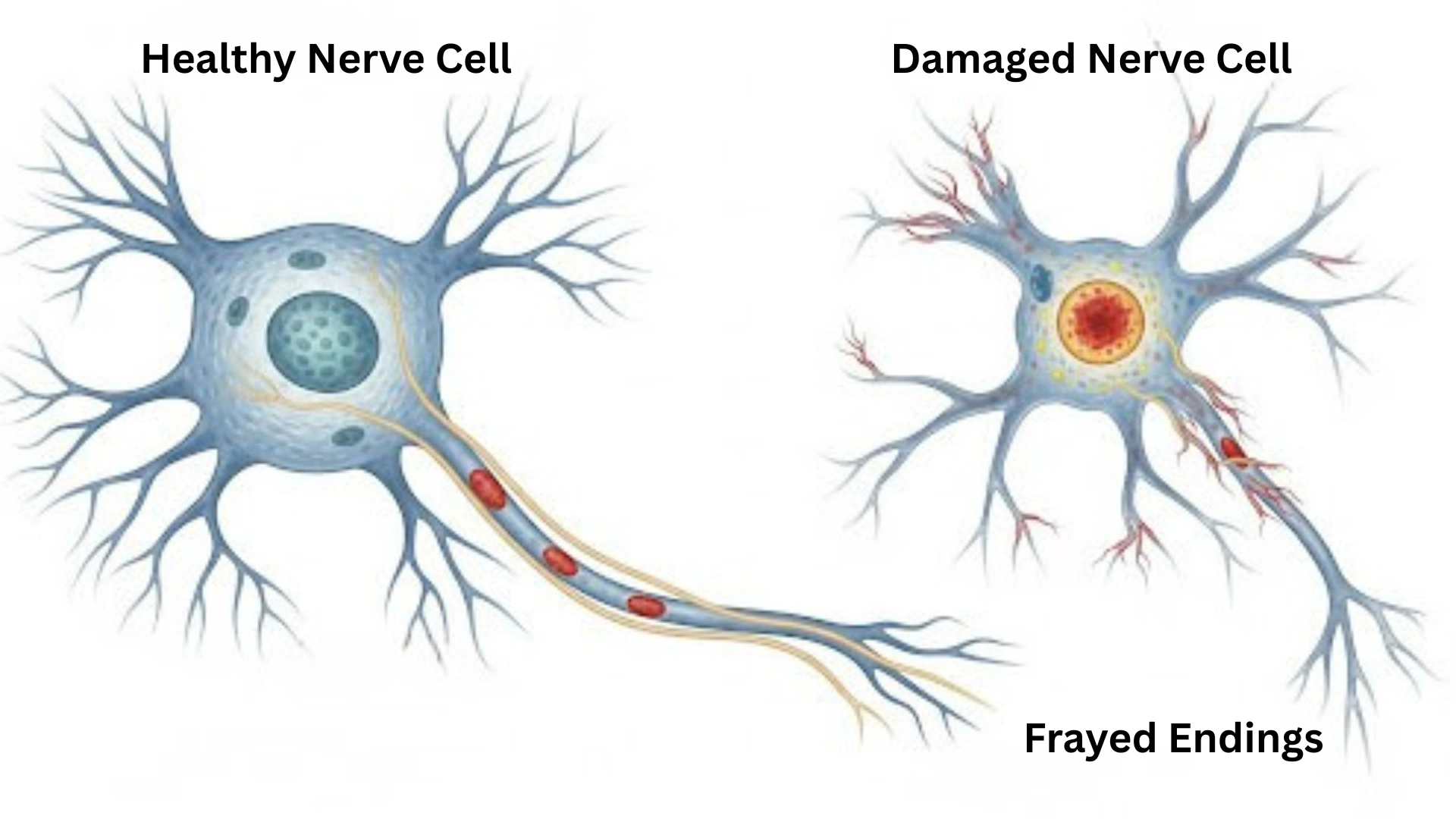
  • Neuropathy: Damage to the nerves, particularly in the feet and hands, leading to loss of sensation, pain, and increased risk of amputation from unnoticed injuries.

Strategies for Improvement: How to Lower Your HbA1c

If your diagnostic report shows an elevated HbA1c, do not panic. This metric is dynamic. With the right interventions, you can lower your score significantly in just 3 to 6 months.

1. Nutrition: The Glycemic Index Approach

You cannot out-medicate a bad diet. The most effective way to lower HbA1c is to control the input of glucose.

  • Focus on Fiber: Soluble fiber (found in oats, flaxseeds, and legumes) forms a gel-like substance in the gut, which slows down the absorption of sugar into the bloodstream.
  • Watch the Carbohydrate Load: It is not just about avoiding “sweets.” White rice, white bread, and potatoes convert to sugar rapidly. Switching to complex carbs like quinoa, brown rice, and whole wheat prevents the sharp spikes that drive up your average.

Also read: Early Kidney Damage Symptoms and Prevention

2. Physical Activity: The Insulin Sensitizer

Exercise acts like a “backdoor” for glucose. When you exercise, your muscles need energy and will pull glucose directly from the bloodstream, even without the help of insulin.

  • Resistance Training: Building muscle is particularly beneficial because muscle tissue burns more glucose at rest than fat tissue does.

Diabetes Diet

3. Stress and Sleep Hygiene

Chronic stress triggers the release of cortisol and adrenaline. These “fight or flight” hormones signal the liver to dump extra sugar into the bloodstream to provide energy for the perceived threat. If you are stressed but sedentary, that sugar just sits in your blood, raising your HbA1c. Prioritizing 7-8 hours of sleep and practicing mindfulness can have a surprising impact on your blood test results.

This is where a holistic approach becomes non-negotiable. You need a medical partner who understands that diabetes is a 24/7 condition. Opting for comprehensive Diabetes Treatment in Coimbatore ensures that you are not just receiving a prescription, but a complete management plan that includes dietary counseling, foot care, and regular monitoring to keep complications at bay.

Empowering Yourself Through Data

The HbA1c test is more than a diagnostic requirement; it is a tool for empowerment. It strips away the denial that often comes with chronic illness and provides a clear, undeniable picture of your metabolic status.

By understanding what this number represents, you move from being a passive patient to an active CEO of your own health. Whether you are working to reverse pre-diabetes or managing a lifelong condition, the goal remains the same: stability, consistency, and awareness.

Take the time to discuss your target range with your doctor. Review your diet honestly. commit to movement, and seek out the best medical support available. Your health is a long-term investment, and understanding your HbA1c is the best way to ensure that investment yields a long, healthy life.

Categories
blog

Diabetic Exercise: Aerobics, Resistance, and Duration

For individuals living with diabetes, managing the condition is a daily commitment that extends far beyond medication and diet. One of the most powerful tools in this journey is something accessible to nearly everyone: exercise. Regular physical activity is not just a recommendation; it is a cornerstone of effective diabetes management, acting as a potent, natural medicine for regulating blood sugar levels. However, the path to an effective fitness routine can be clouded with questions. What kind of exercise is best? How long should I do it for? Is walking enough, or do I need something more intense?

The key to unlocking the benefits of exercise lies in understanding the synergy between different types of physical activity—specifically aerobic and resistance training—and committing to a consistent duration and intensity. By creating a balanced routine, you can significantly improve your body’s sensitivity to insulin, lower your blood glucose levels, and enhance your overall quality of life. This guide will break down the essential components of a diabetic-friendly exercise plan, helping you move with confidence and purpose.

The Power Duo: Aerobic and Resistance Training

While any movement is better than none, a truly effective exercise plan for diabetes management incorporates two distinct but complementary styles of activity: aerobic exercise and resistance training. Each offers unique benefits that work together to create a powerful blood sugar-lowering effect.

  1. Aerobic Exercise: Fueling Your Heart and Muscles

Aerobic exercise, often called cardio, includes any activity that raises your heart rate and makes you breathe harder for a sustained period. During these activities, your muscles have an increased demand for energy, which they source from glucose in your bloodstream. This process helps to lower blood sugar levels naturally. Furthermore, consistent aerobic activity makes your body’s cells more sensitive to insulin, meaning your body needs less of it to effectively transport glucose into the cells.

Some of the most effective and accessible forms of aerobic exercise include:

  • Walking: A simple, low-impact, and highly effective starting point. A brisk walk can significantly impact blood sugar levels.
  • Jogging or Running: For those looking for a higher intensity workout, jogging provides more significant cardiovascular benefits in a shorter amount of time.
  • Cycling: Whether on a stationary bike or outdoors, cycling is an excellent low-impact option that is easy on the joints.
  • Swimming: A full-body workout that is exceptionally gentle on the joints, making it ideal for individuals with arthritis or other musculoskeletal issues.

swimming

The goal is to find an activity you enjoy, as this dramatically increases the likelihood that you will stick with it long-term.

  1. Resistance Training: Building Muscle to Battle Sugar

Resistance training, or strength training, involves working your muscles against a force. This doesn’t necessarily mean lifting heavy weights at a gym. It can be done effectively using your own body weight. The primary benefit of resistance training for diabetes is its impact on muscle mass. Muscle tissue is a major consumer of glucose. The more muscle mass you have, the more glucose your body can pull from the bloodstream to be stored for later use, effectively creating a larger “storage tank” for sugar and preventing it from accumulating in your blood.

Simple yet powerful resistance exercises include:

  • Pushups: A classic exercise that strengthens the chest, shoulders, and triceps. These can be modified by doing them on your knees or against a wall.
  • Situps or Crunches: These target the core muscles, which are essential for overall stability and posture.
  • Squats and Lunges: Bodyweight exercises that build strength in the legs and glutes, the largest muscle groups in the body.

Incorporating resistance training two to three times per week on non-consecutive days is a fantastic goal. This gives your muscles adequate time to recover and rebuild, which is when they become stronger.

Also Read: Four Diabetes-Linked Nerve Issues You Must Know Today

Before embarking on any new or intensified exercise plan, it is absolutely essential to consult with a healthcare professional. A comprehensive discussion about your current health status, medications, and fitness level is a critical first step. A qualified expert, such as the Best Sugar Doctor in Coimbatore, can provide personalized advice, help you set realistic goals, and ensure that your chosen activities are safe and beneficial for your specific condition. This professional guidance is invaluable in creating a sustainable plan that integrates seamlessly with your overall diabetes management strategy.

Duration and Intensity: Finding the Sweet Spot

Now that we’ve covered the “what,” let’s focus on the “how much” and “how hard.” The recommendations for diabetic exercise are clear and achievable. The aim should be for consistency rather than overwhelming intensity right from the start.

Daily and Weekly Goals:

A great target to aim for is 40 minutes of moderate-intensity aerobic activity per day. This aligns with general health guidelines and provides substantial benefits for blood sugar control. If 40 consecutive minutes seems daunting, you can break it up into smaller, more manageable chunks, such as two 20-minute walks or four 10-minute sessions throughout the day.

For those who find tracking time difficult, a step goal can be a more tangible target. Aiming for 5,000 to 7,000 steps per day is an excellent goal that encourages consistent movement. Many smartphones and simple pedometers can track this for you, providing motivation and a clear sense of accomplishment.

Understanding Moderate Intensity:

What does “moderate intensity” feel like? The “talk test” is a simple and reliable way to gauge your effort. During moderate-intensity activity, you should be able to hold a conversation, but you shouldn’t have enough breath to sing a song comfortably. Your heart rate will be elevated, and you will likely break a light sweat.

Exercise

For individuals who are new to exercise, have physical limitations, or are unsure how to perform movements correctly and safely, professional guidance can be a game-changer. Specialized programs can provide the structured support needed to build confidence and ensure proper form, which is crucial for preventing injury. Seeking out Exercise Therapy for Diabetes in Coimbatore connects you with experts who can design a supervised and tailored plan that meets you at your current fitness level and helps you progress safely and effectively towards your health goals.

Putting It All Together: A Sample Weekly Plan

Creating a routine is about balance. Here’s what a well-rounded week might look like:

  • Monday: 40-minute brisk walk (aerobic).
  • Tuesday: 20 minutes of resistance training (pushups, squats, situps) followed by a 20-minute walk.
  • Wednesday: 40 minutes of cycling or swimming (aerobic).
  • Thursday: Active recovery day with a gentle 20-minute walk or stretching.
  • Friday: 20 minutes of resistance training followed by a 20-minute jog or brisk walk.
  • Saturday: Recreational activity like gardening, dancing, or playing a sport (aerobic).
  • Sunday: Rest day.

In conclusion, exercise is a non-negotiable component of a proactive diabetes management plan. By embracing a combination of aerobic activities to improve insulin sensitivity and resistance training to build glucose-storing muscle, you create a powerful defense against high blood sugar. Committing to a consistent duration of around 40 minutes per day and a practical goal of 5,000-7,000 steps can transform your health. Remember to start slow, listen to your body, and always consult with your healthcare provider. With the right approach, you can harness the profound power of movement to lead a healthier, more vibrant life with diabetes.

Categories
blog

Four Diabetes-Linked Nerve Issues You Must Know Today

Four Diabetes-Linked Nerve Issues You Must Know Today

Living with diabetes requires a constant balancing act between diet, medication, and lifestyle choices. While most people associate high blood sugar primarily with energy crashes or kidney concerns, one of the most insidious and widespread complications is nerve damage, medically known as diabetic neuropathy. High blood glucose levels, over time, act as a slow-acting toxin to the delicate nervous system, injuring the nerves throughout the body. This damage can range from mild numbness to debilitating pain and can affect the function of internal organs. For individuals navigating this chronic condition, finding the right medical guidance is paramount. If you are currently seeking Diabetes Treatment in Coimbatore, it is essential to understand that managing your sugar levels is the primary defense against the progression of these nerve disorders.

Unveiling the Silent Damage and Specific Nerve Conditions

Nerve damage does not manifest in the same way for every patient. The symptoms depend entirely on which nerves are affected. In the medical community, these are generally categorized into four distinct types, each presenting its own set of challenges. Understanding these categories helps in early identification, which is the key to preventing irreversible damage.

The first and most common form is Peripheral Neuropathy. This type primarily affects the feet and legs, followed by the hands and arms. It often starts softly, with a sensation that many patients describe as “walking on cotton bed” or wearing socks when they are barefoot. As it progresses, symptoms become more aggressive. Patients may experience tingling, burning sensations, sharp or stabbing pains, and eventually, a complete loss of feeling. The danger here lies in the numbness; a person might step on a sharp object or a hot sun scorched surface( like in temples), develop a blister, or suffer a minor injury without realizing it. Because diabetes also affects blood flow, these unnoticed injuries can become infected and lead to serious complications like ulcers or, in severe cases, amputation. The loss of temperature sensitivity is also a major risk factor, as patients may unknowingly burn themselves with hot water.

Nerve System

The second major category is Autonomic Neuropathy. Unlike peripheral neuropathy which affects what you feel, this type affects what your body does automatically. The autonomic nervous system controls your heart, bladder, stomach, intestines, sex organs, and eyes. When diabetes damages these nerves, the body’s internal regulation goes haywire. Digestive issues are common, leading to a condition called gastroparesis, where the stomach empties too slowly, causing nausea, vomiting, and bloating. It can also mask the symptoms of low blood sugar, a phenomenon known as hypoglycemia unawareness, which can be dangerous especially in elderly. Cardiovascular issues may arise, such as a racing heart rate even at rest, or a sudden drop in blood pressure when rising from a sitting position, causing dizziness or fainting. Bladder problems, including retention or incontinence, are also frequent complaints associated with this type of nerve damage.

The third type is often referred to as Proximal Neuropathy, also known as diabetic amyotrophy. This is less common than peripheral neuropathy and affects the nerves in the thighs, hips, buttocks, or legs. It typically affects older adults and often impacts only one side of the body, though it can spread to the other. The symptoms are usually sudden and severe. Patients report deep, intense pain in the hip or thigh, followed by eventual weakness in the thigh muscles. This can lead to a noticeable shrinking of the muscle tissue and difficulty rising from a sitting position without assistance. While peripheral neuropathy is a gradual decline, proximal neuropathy often feels like a sudden attack on the body’s structural integrity, making mobility difficult and painful.

Also Read : Type Five Diabetes Classification and Treatment

The fourth category is Focal Neuropathy, or mononeuropathy. As the name suggests, this involves damage to a specific, single nerve. It can appear suddenly and affect a nerve in the head, torso, or leg. This might manifest as double vision, aching behind one eye, paralysis on one side of the face (Bell’s palsy), or severe pain in the lower back or pelvis. One of the most well-known forms of focal neuropathy is carpal tunnel syndrome, where the median nerve in the wrist is compressed. While focal neuropathy can be intensely painful and frightening due to its sudden onset, the positive aspect is that it usually does not cause long-term damage. With time and proper management, symptoms often resolve on their own over weeks or months, unlike the chronic progression of peripheral neuropathy.

Globally, pooled estimates of painful diabetic peripheral neuropathy (PDPN) — i.e. neuropathy with pain symptoms — is ~ 46.7% (95% CI 41.8–51.7%) among those with DPN.

Comprehensive Approaches to Treatment and Long-Term Care

While the description of these nerve problems can be alarming, the focus must always shift toward management and treatment. There is currently no cure that can reverse the nerve damage once it has occurred, which is why the primary goal of treatment is twofold: slowing the progression of the disease and managing the symptoms to improve quality of life.

The cornerstone of all treatment plans is the strict regulation of blood glucose levels. Keeping blood sugar within the target range is the only way to stop the toxic effect on the remaining healthy nerves. This often involves a combination of oral medications, insulin therapy, and rigorous monitoring. Consistent blood sugar control can surprisingly reduce some neuropathic symptoms and is the most effective way to prevent further deterioration. Alongside glucose control, managing blood pressure and cholesterol is vital, as good circulation is required to feed the nerves and help them repair where possible.

Pain management is the second pillar of treatment. Regular painkillers found over the counter often do not work for nerve pain. Instead, physicians prescribe specific medications originally developed for other conditions but found effective for neuropathy. These include anti-seizure medications and certain antidepressants. These drugs work by interfering with the chemical processes in the brain and spinal cord that cause you to feel pain. Topical treatments, such as creams containing capsaicin, can also provide localized relief for burning sensations. It is crucial to have an open dialogue with healthcare providers to find a medication regimen that offers relief without unmanageable side effects.

Lifestyle modification

Lifestyle modifications play a massive role in treatment efficacy. Vitamin deficiencies, particularly B12, can mimic or worsen neuropathy, so a diet rich in essential nutrients is non-negotiable. Foods high in antioxidants, lean proteins, and whole grains support nerve health. Exercise is equally critical; even light activities like walking or swimming can improve blood flow to the limbs and help keep blood sugar levels stable. However, those with significant foot numbness must choose low-impact exercises to avoid injuring their feet. Smoking is perhaps the biggest enemy of diabetic neuropathy because it constricts blood vessels, depriving nerves of nutrients and oxygen. Quitting smoking is often the single most impactful lifestyle change a patient can make.

Finally, daily self-care rituals are the best defense against severe complications. This includes inspecting feet every day for cuts, blisters, or red spots. Using a mirror to check the bottoms of the feet or asking a family member for help can save a limb. Keeping skin moisturized to prevent cracking, wearing well-fitting shoes, and avoiding walking barefoot are simple habits that provide a layer of protection against the loss of sensation.

Nerve damage is a serious complication, but it does not have to dictate the entirety of one’s life. With early detection, strict sugar control, and a proactive approach to physical health, the progression can be halted. It requires a partnership between the patient and their healthcare team. If you are experiencing tingling, pain, or any unusual symptoms, do not wait for them to worsen. Immediate intervention is key. For specialized care and a comprehensive management plan tailored to your needs, it is highly recommended to consult a best Sugar doctor in coimbatore who can guide you toward a pain-free and healthier future.

Categories
blog

Make Your Diabetes Journey Easier by Skipping These Pitfalls

Make Your Diabetes Journey Easier by Skipping These Pitfalls

Living with diabetes presents a unique set of daily challenges and requires a conscious effort to manage blood sugar levels effectively. It’s a journey of learning, adapting, and making informed choices every single day. Many individuals, despite their best intentions, find themselves struggling to maintain control, often due to common but overlooked missteps in their routine. Seeking guidance from the Best Diabetologist in Coimbatore is a critical first step, but empowering yourself with knowledge about what to avoid is equally important for long-term success. 

This blog, drawing upon expert advice, illuminates the frequent pitfalls in diet and self-care that can hinder your progress and offers a clearer path toward stable and healthy living. Understanding these common errors is not about perfection, but about making small, consistent changes that collectively have a significant and positive impact on your well-being.

The Pitfall of Evening Eating Habits

A common area where many people with diabetes face challenges is in their evening dietary choices. What you consume in the hours before sleep can have a profound effect on your morning blood sugar readings. One of the most significant recommendations is to reconsider having rice for your nighttime meal. While rice is a staple in many diets, its carbohydrate content can lead to a substantial spike in glucose levels, which can be particularly problematic overnight when your body’s metabolic rate is slower. The body processes these carbohydrates into sugar, and without the corresponding physical activity that typically occurs during the day, this excess sugar can remain in the bloodstream, leading to elevated readings upon waking.

Similarly, the consumption of fruits in the evening should be approached with caution. Although fruits are natural and packed with vitamins, they also contain natural sugars. Eating them late at night can contribute to an undesirable increase in blood glucose levels while you sleep. The key is not to eliminate these foods entirely from your diet, but to be strategic about when you consume them. Shifting your intake of rice and fruits to earlier in the day, such as for breakfast or lunch, allows your body more time and opportunity, through daily activity, to effectively utilize the energy they provide without causing a prolonged spike in your blood sugar. This simple adjustment to your meal timing can be a remarkably effective strategy for better glycemic control.

Fruits

Unmasking the “Sugar-Free” Deception

In the quest for healthier alternatives, many people with diabetes turn to products marketed as “sugar-free.” However, this is a domain where one must tread with extreme caution. A particularly misleading category is sugar-free biscuits. The advice is clear: these should be avoided. The term “sugar-free” can be a gimmick, a marketing tactic that masks other ingredients that are just as detrimental to blood sugar control. These products often contain refined flours, unhealthy fats, and artificial sweeteners that can still impact glucose levels. More deceptively, they may contain a lot of extra added hidden carbohydrates that your body will process in the same way as regular sugar.

This warning also extends to so-called “healthy” sugar alternatives like country sugar. While it may be less processed than white sugar, it is still a form of sugar and will affect your blood glucose. The belief that it is a safe substitute is a common misconception that can sabotage your efforts to manage your diabetes. The fundamental principle is to reduce overall sugar and refined carbohydrate intake, regardless of the source or the name it goes by. Instead of seeking out these often disappointing and misleading products, focus on whole, unprocessed foods. Reading labels diligently is crucial, but a simpler and more effective strategy is to avoid packaged and processed snack foods altogether, as they are frequently laden with ingredients that are not conducive to stable blood sugar.

Also Read: Nourishing Sips That Support Your Diabetes Journey

Re-evaluating Rice and Resisting Juices

The type of rice and its preparation method can make a significant difference. The specific advice to avoid cooker rice points towards a broader principle: the way food is cooked can alter its glycemic index, which is a measure of how quickly a food causes our blood sugar levels to rise. Rice prepared in a pressure cooker tends to become softer and more easily digestible, which can lead to a faster release of sugar into the bloodstream. Opting for rice varieties with a lower glycemic index and cooking methods that preserve more of the grain’s integrity can be a more prudent choice for individuals managing diabetes. While something may seem better than nothing, making a more informed choice about the type and preparation of your staple foods is a proactive step toward better health.

Rice

Another critical adjustment to make is the complete avoidance of all fruit juices. This might seem counterintuitive, as fruits are healthy. However, the process of juicing strips away one of the most beneficial components of the fruit: the fiber. This fiber is essential because it slows down the absorption of sugar into the bloodstream. When you drink fruit juice, you are consuming a concentrated dose of fruit sugar without the fiber to buffer its impact. This leads to a very rapid and high spike in blood sugar levels, which is precisely what a person with diabetes needs to prevent. Even if consumed for vitamins and minerals, the negative impact on glucose control far outweighs the benefits. The superior choice is always to eat the whole fruit. This way, you get the full spectrum of nutrients, including the vital fiber, which promotes a much more gradual and manageable rise in blood sugar.

The Cornerstones of Control: Medication and Monitoring

Beyond diet, the two most critical pillars of successful diabetes management are unwavering adherence to your medication regimen and diligent blood sugar monitoring. One of the most dangerous mistakes one can make is skipping tablets. Your prescribed medications are designed to work consistently over time to help your body regulate its blood sugar levels. Skipping doses can lead to erratic and dangerously high glucose readings, undoing all the hard work you put into your diet and lifestyle. Consistency is paramount. Think of your medication not as a temporary fix, but as a fundamental tool that supports your body’s function every single day.

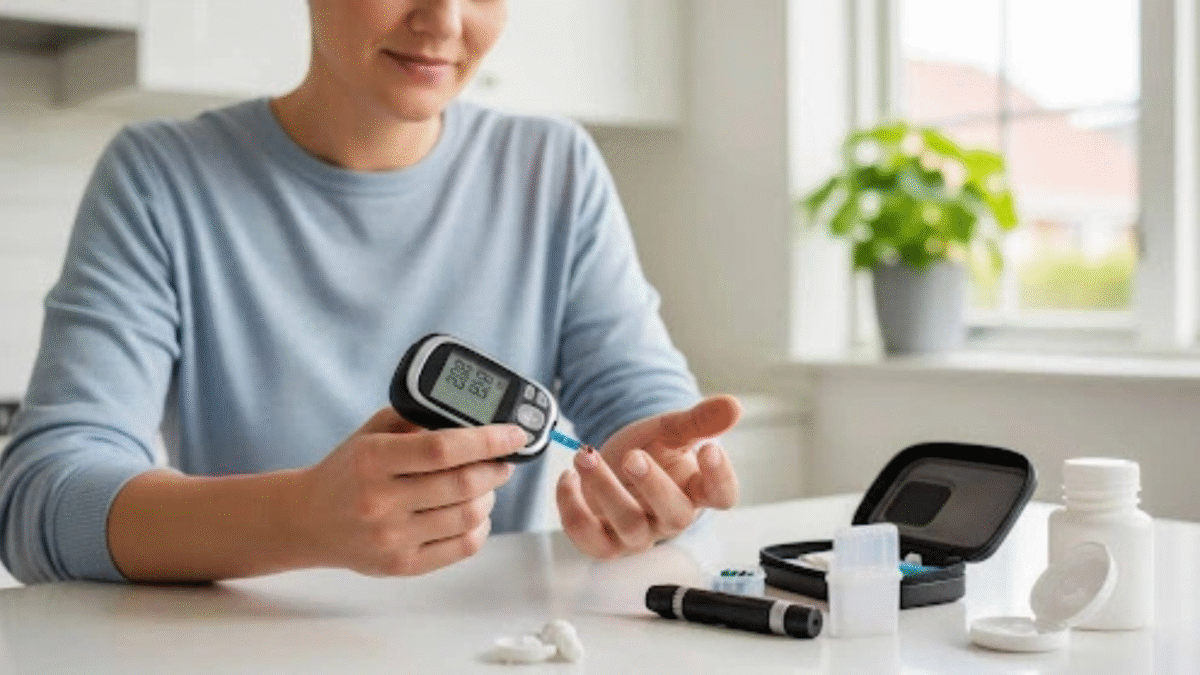
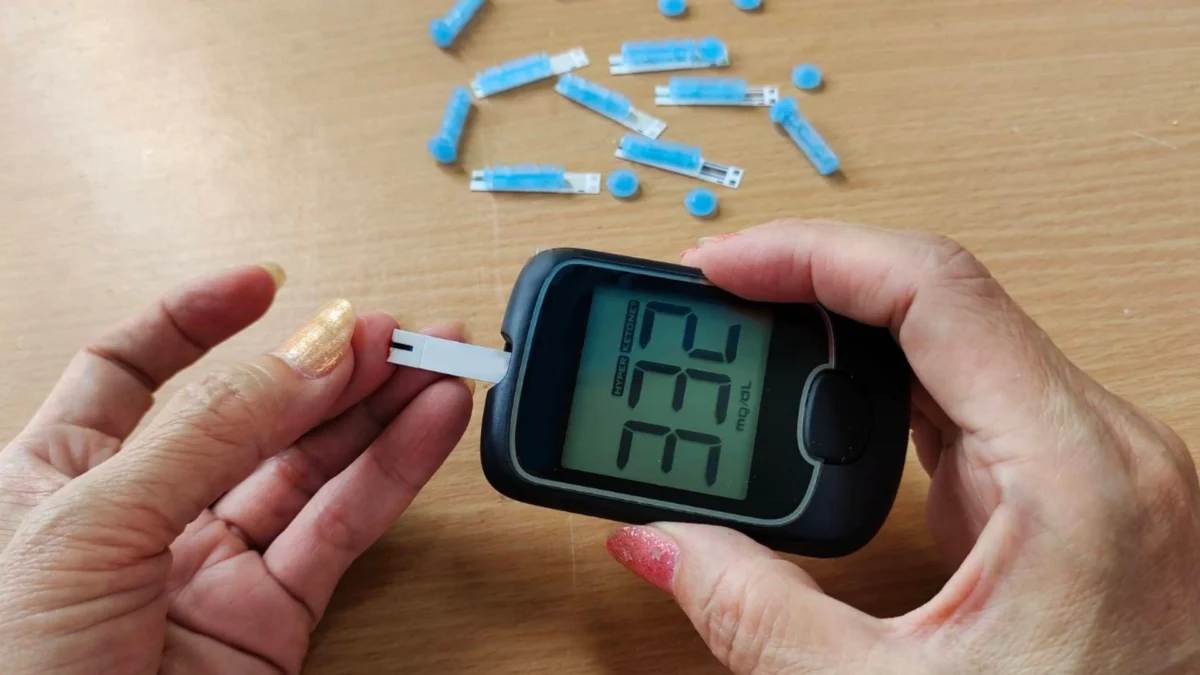
Equally important is the practice of informed self-monitoring. Many people react to feelings of dizziness or weakness by immediately consuming sugar, assuming they have low blood sugar (hypoglycemia). However, this can be a misstep. The advice is to check your levels first. Unless you are absolutely certain that it is low sugar, you must check your blood sugar with a glucometer. If the reading confirms that your levels are indeed low, then and only then should you make the necessary correction with a small amount of fast-acting sugar and re-check shortly after. Acting on a guess can lead to unnecessarily high blood sugar if the feeling was caused by something else. This disciplined approach of “test, don’t guess” empowers you to make accurate, data-driven decisions about your health, preventing the rollercoaster of high and low blood sugar levels. For comprehensive support and guidance in establishing these crucial habits, connecting with a dedicated Diabetic Centre in Coimbatore can provide you with the resources, education, and expert care needed to navigate your journey with confidence.

Categories
blog

Nourishing Sips That Support Your Diabetes Journey

Nourishing Sips That Support Your Diabetes Journey

Living with diabetes is a journey that requires conscious, daily choices to maintain balance and well-being. While medication and regular monitoring are cornerstones of management, the power of a well-structured diet cannot be overstated. What we eat, and indeed what we drink, plays a pivotal role in regulating blood sugar levels and supporting overall metabolic health. Many individuals find that integrating simple, natural beverages into their routine can be a refreshing and effective strategy. It’s about making smart swaps and discovering delicious options that work with your body, not against it. For those seeking expert guidance on creating a holistic lifestyle plan, consulting with the Best Diabetes Doctor in Coimbatore can provide a personalized roadmap to health, ensuring that every dietary choice, including the drinks you consume, aligns perfectly with your specific medical needs and wellness goals.

The Zesty Start: Embracing Lemon Water

One of the simplest and most effective beverages to incorporate into a diabetes-friendly lifestyle is lemon juice diluted in water. This humble drink is much more than just a morning refresher. Lemons are packed with vitamin C, a powerful antioxidant that helps combat oxidative stress, a common concern for individuals with diabetes. Furthermore, citrus fruits, despite their tangy taste, have a very low glycemic index, meaning they do not cause a sharp spike in blood glucose levels. Starting your day with a glass of lukewarm lemon water can help kickstart your metabolism and promote hydration, which is crucial for kidney function and overall detoxification.

lemon water

Consumption early in the morning can aid in flushing out toxins and preparing the digestive system for the day ahead. The mention of having it again with dinner is also strategic; a glass of lemon water before or with an evening meal can potentially aid in digestion and help blunt the post-meal glucose surge. While the science continues to evolve, some studies suggest that the acidic nature of lemon juice may help in slowing down the conversion of starch to sugar, thereby contributing to better glycaemic control. It’s a simple, calorie-free way to enhance your water intake and support your body’s insulin sensitivity.

The Earth’s Bounty: Nutrient-Dense Vegetable Juices

Vegetable juices offer a fantastic way to consume a concentrated dose of vitamins, minerals, and antioxidants without the high sugar content found in many fruit juices. When managing diabetes, the key is to choose non-starchy vegetables. Carrot juice can be beneficial in moderation due to its beta-carotene content, but it should be balanced with other, lower-carbohydrate options. Excellent choices for juicing include cucumber, celery, spinach, kale, and bitter gourd. Cucumber and celery are incredibly hydrating and have a minimal impact on blood sugar. 

Vegetable Juices

Leafy greens like spinach and kale are nutritional powerhouses, rich in magnesium and potassium, which are vital for metabolic health. Bitter gourd juice, though an acquired taste, has been traditionally used in many cultures for its blood sugar-lowering properties, as it contains compounds that mimic the action of insulin. The ideal time to consume vegetable juice is often between meals as a nutrient-rich snack. This can help prevent the energy slumps that can lead to reaching for unhealthy options. It provides sustained energy and keeps you feeling full, which aids in weight management—a critical component of controlling type 2 diabetes. Preparing these juices at home is always the best option, as it gives you complete control over the ingredients, ensuring there are no added sugars, salts, or preservatives.

The Power of Fiber: Seed-Infused Beverages

Fiber is a super-nutrient for anyone with diabetes, and drinks infused with seeds like chia or basil seeds (sabja) are an excellent way to increase your intake. When these seeds are soaked in water, they form a gelatinous coating around them, which is pure soluble fiber. It is one of the best drinks for diabetics, and for good reason. This soluble fiber works wonders in the digestive system. It slows down the absorption of sugar from your food into the bloodstream, which helps in preventing sharp spikes in glucose levels after a meal. This quality makes it particularly beneficial to have this drink around meal times, perhaps about thirty minutes before you eat. Furthermore, this fibrous gel promotes a feeling of fullness, or satiety, which can significantly help with appetite control and weight management. Beyond blood sugar regulation, these drinks are fantastic for digestive health, promoting regular bowel movements and a healthy gut microbiome. 

seed water

Proper hydration combined with high fiber intake can also support urinary tract health, an area of concern for some individuals with diabetes. This simple drink is easy to prepare—just a spoonful of seeds in a glass of water—and can be flavored with a hint of lemon or mint for a more palatable experience.

Also check out: Five Sweet Foods That Actually Help Control Blood Sugar

The Soothing Brew: The Benefits of Herbal Teas

Beyond juices and infused waters, the world of herbal teas offers a treasure trove of benefits for diabetes management. These warm, comforting beverages are typically caffeine-free and can be enjoyed throughout the day. Green tea is perhaps the most studied and celebrated for its health benefits. It is rich in powerful antioxidants called polyphenols, particularly epigallocatechin gallate (EGCG). Research has shown that EGCG can improve insulin sensitivity and help protect the pancreatic cells that produce insulin. 

Herbal Tea

Cinnamon tea is another excellent choice. Cinnamon is a spice that has been shown to have a modest but noticeable effect on lowering blood sugar levels by mimicking insulin and increasing glucose uptake by cells. Chamomile tea, known for its calming properties, can also be beneficial. It helps in reducing stress, which is important as stress hormones can raise blood sugar levels. Furthermore, some studies have linked chamomile consumption to reduced risk of diabetic complications. Enjoying a cup of herbal tea in the evening can be a wonderful ritual to unwind and prepare for a restful night’s sleep, which itself is crucial for hormonal balance and effective blood sugar control. When brewing, it is best to use natural tea bags or loose leaves and avoid adding any sugar or honey to reap the full, unadulterated benefits. 

This simple daily ritual can contribute significantly to a holistic and proactive approach to your health, turning a simple cup of tea into a moment of mindful self-care. It’s these small, consistent efforts that, when combined, create a powerful foundation for long-term well-being. For a truly integrated approach that combines these dietary tips with medical supervision, visiting a specialized facility is invaluable. A comprehensive Diabetic Centre in Coimbatore can offer access to dietitians, educators, and physicians who work together to create a seamless and supportive management plan tailored just for you.

Categories
blog

Barley: The Timeless Grain Your Bowl Needs Now

Barley: The Timeless Grain Your Bowl Needs Now

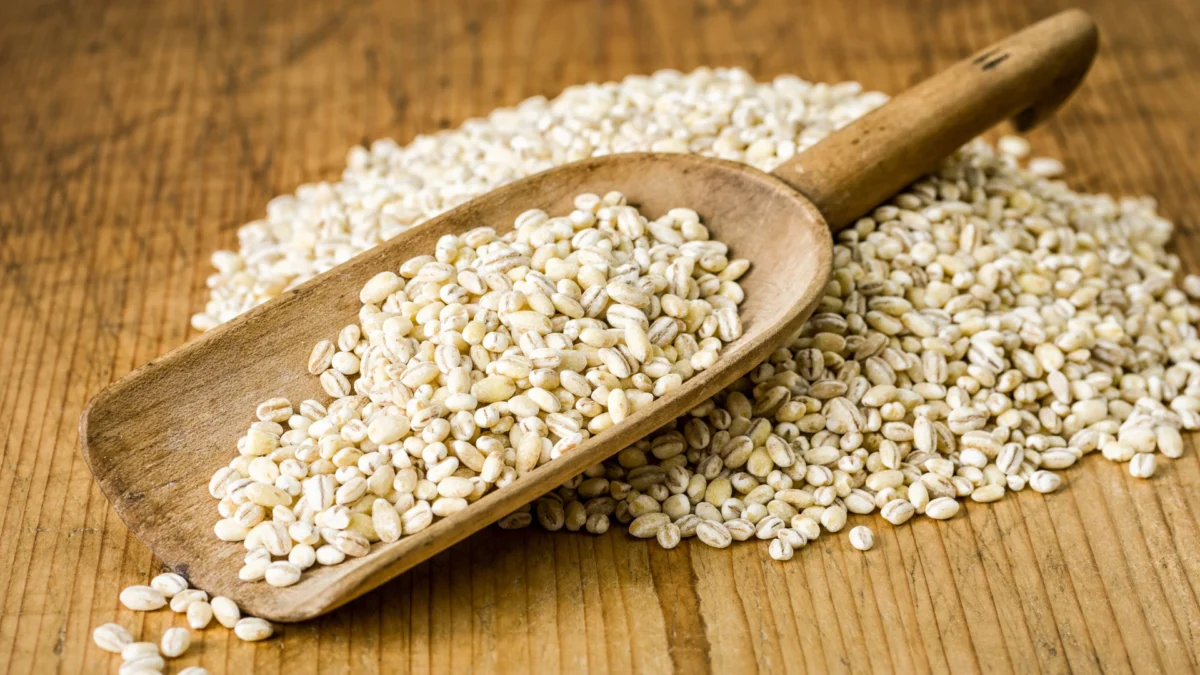
In the constant search for wholesome, nourishing foods, we often find ourselves looking towards exotic, newly discovered “superfoods.” Yet, sometimes the most profound nutritional treasures are the ones that have been with humanity for centuries, quietly waiting to be rediscovered. Barley is one such ancient grain, a humble yet powerful food that is making a significant comeback in the kitchens of health-conscious individuals. Its resilience as a crop is mirrored by the robust health benefits it offers to those who consume it. For anyone seeking to improve their dietary habits, understanding the role of whole grains is fundamental. This journey towards better eating habits can be complex, and seeking professional guidance through services like Diet Counselling for Diabetes in Coimbatore can provide a structured, personalized path to achieving one’s wellness goals, especially when managing specific health conditions. Barley, with its impressive nutritional profile, stands out as a simple, effective, and delicious addition to a well-managed diet.

A Legacy of Nourishment

Long before the modern food pyramid was conceived, barley was a staple food for ancient civilizations across the globe. From the gladiators of Rome, who were known as “hordearii” or “barley-eaters” for the strength they derived from it, to the ancient Egyptians who buried it with their pharaohs, this grain has been revered for its life-sustaining properties. Its ability to thrive in diverse and harsh climates made it a reliable source of energy and nutrients for countless generations. This historical significance is not just a matter of trivia; it is a testament to the grain’s inherent value. The wisdom of our ancestors in relying on barley is now being thoroughly validated by modern science, which continues to uncover the extensive health benefits packed within each chewy, nutty kernel.

The Guardian of Your Heart

One of the most celebrated attributes of barley is its remarkable ability to support cardiovascular health. The secret lies in its rich content of a specific type of soluble fiber called beta-glucan. When consumed, this fiber forms a gel-like substance in the digestive tract, which plays a crucial role in maintaining healthy cholesterol levels. It works by binding to cholesterol and its precursors, helping to usher them out of the body before they can be absorbed into the bloodstream. Regular inclusion of barley in one’s meals can be a proactive step towards supporting healthy arteries and overall heart function. Beyond its fiber content, barley also provides a good source of essential minerals like magnesium and niacin, which are instrumental in maintaining healthy blood pressure and supporting the intricate workings of the cardiovascular system.

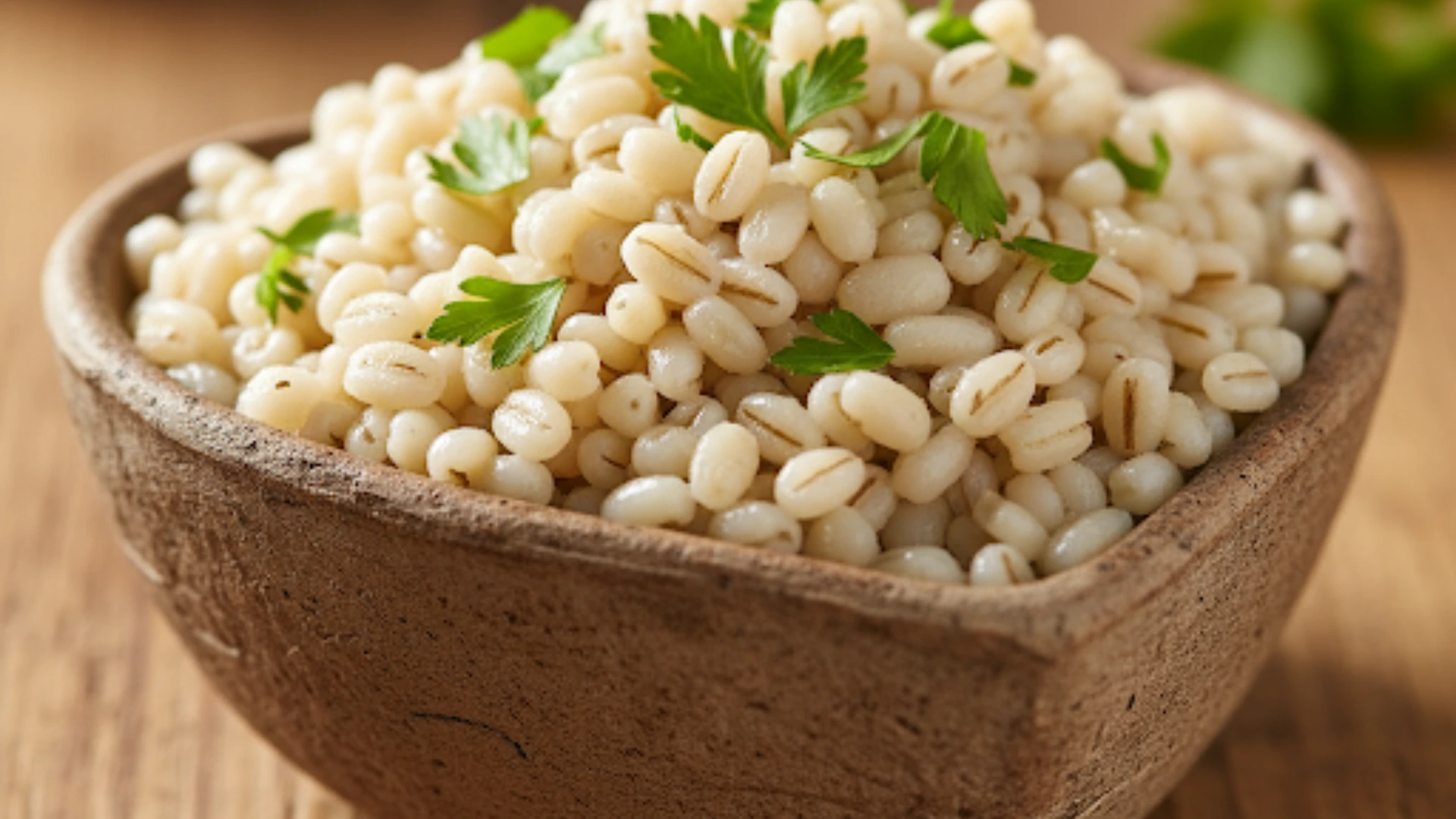
Barley Rice

A Champion for Digestive Wellness

A healthy digestive system is the cornerstone of overall well-being, and barley is a formidable ally in maintaining it. The grain’s substantial dietary fiber content, both soluble and insoluble, is the key to its digestive prowess. Insoluble fiber acts as a bulking agent, promoting regular bowel movements and helping to prevent constipation. It essentially keeps the digestive tract moving smoothly and efficiently. The soluble fiber, particularly the beta-glucans mentioned earlier, serves as a prebiotic. This means it acts as food for the beneficial bacteria residing in your gut. Nurturing a healthy gut microbiome is essential for proper digestion, nutrient absorption, and even immune function. A thriving internal ecosystem, supported by foods like barley, contributes to a feeling of lightness, comfort, and vitality from the inside out.

The Steady Hand in Blood Sugar Balance

For individuals concerned with maintaining stable blood sugar levels, barley is an exceptional dietary choice. Its low glycemic index means that it is digested and absorbed slowly, leading to a gradual and steady release of glucose into the bloodstream. This prevents the sharp spikes and subsequent crashes in blood sugar that can be caused by more refined carbohydrates. This slow-release energy makes barley an excellent food for sustained vitality throughout the day. The high soluble fiber content further contributes to this effect by slowing down the absorption of sugar in the gut. This unique combination of properties makes barley a powerful tool for blood sugar management, providing a reliable source of energy without overwhelming the body’s metabolic systems. Its inclusion in meals can help promote a sense of balance and control.

Also check out our blog, Five Sweet Foods That Actually Help Control Blood Sugar

Your Partner in Achieving and Maintaining a Healthy Weight

The journey to a healthy weight is often focused on calorie counting, but the quality and type of food consumed are far more important. Barley is a food that provides profound satiety, which is the feeling of fullness and satisfaction after a meal. This is, once again, thanks to its impressive fiber content. The soluble fiber in barley absorbs water and expands in the stomach, which helps to keep you feeling full for longer periods. This can significantly reduce the likelihood of overeating or reaching for unhealthy snacks between meals. By promoting a lasting sense of fullness with a nutrient-dense, low-fat food, barley can be an invaluable partner in any weight management plan. It provides the body with the energy it needs while naturally helping to regulate appetite and food intake, making the path to a healthier weight feel less like a struggle and more like a natural, satisfying process.

Barley Salad

A Canvas for Culinary Creativity

Perhaps one of the most appealing aspects of barley is its incredible versatility in the kitchen. Its mild, slightly nutty flavor and satisfyingly chewy texture make it a wonderful addition to a vast array of dishes. It can be used as a wholesome base for hearty soups and stews, absorbing the flavors of the broth and adding substance to the meal. It can be cooked and cooled to form the foundation of creative and refreshing salads, paired with fresh vegetables, herbs, and a zesty vinaigrette. Barley can be used to create a creamy and delicious alternative to rice in risottos, often called “barlotto.” For a nutritious start to the day, it can be cooked into a warm and comforting breakfast porridge, topped with fruits,milk and nuts. From side dishes to main courses, barley’s adaptability makes it easy and enjoyable to incorporate this nutritional powerhouse into your regular meal rotation.

As we continue to explore the connection between diet and long-term health, it is clear that whole grains like barley are not just a trend but a foundational component of a truly nourishing lifestyle. Its wide range of benefits, from protecting the heart and aiding digestion to balancing blood sugar and managing weight, makes it a superfood in the truest sense of the word. Embracing this ancient grain is a simple yet profound step towards investing in your future health. For those navigating the complexities of dietary management for specific conditions, personalized advice is invaluable. A consultation with the Best Sugar Doctor in Coimbatore can offer the expert guidance needed to integrate foods like barley into a comprehensive and effective health strategy, ensuring a path to wellness that is both sustainable and delicious.

Categories
blog

Navigating Blood Sugar Spikes: 5 tips to bring down your blood sugar quickly

Navigating Blood Sugar Spikes: 5 tips to bring down your blood sugar quickly 

Managing high blood sugar can often feel like a complex and overwhelming journey. The constant need for vigilance and the fear of long-term complications can be a heavy burden. However, gaining control over your blood sugar levels is not just about restrictive diets and strenuous exercise regimes. It’s about making informed lifestyle choices that work in harmony with your body. If you are seeking guidance, consulting with the Best Sugar Specialist in Coimbatore can provide you with a personalized roadmap to better health. This blog will delve into several powerful, natural strategies that can help you rapidly bring down high blood sugar and pave the way for a healthier, more vibrant life.

The Power of Your Plate: A Dietary Approach to Blood Sugar Control

What you eat directly and profoundly affects your blood sugar levels. A well-planned diet is a cornerstone of effective diabetes management. The focus should be on whole, unprocessed foods that are rich in nutrients and fiber. Fiber, in particular, is a superhero in the world of blood sugar regulation. It slows down the absorption of sugar into the bloodstream, preventing those sharp spikes that can be so damaging over time. Incorporating a variety of fiber-rich foods like leafy green salads, vegetables, legumes, and whole grains can make a significant difference.

Diet Plate

It’s not just about what you add to your diet, but also what you limit. Simple carbohydrates, found in sugary drinks, white bread, and processed snacks, are quickly converted into glucose, leading to a rapid surge in blood sugar. By consciously choosing complex carbohydrates with a lower glycemic index, you provide your body with a steady release of energy, avoiding the rollercoaster of sugar highs and lows. A balanced meal that includes a good source of protein and healthy fats alongside complex carbohydrates can further help in stabilizing blood sugar levels.

Movement as Medicine: The Role of Exercise in Insulin Sensitivity

Physical activity is another potent tool in your arsenal for managing high blood sugar. When you exercise, your muscles use glucose for energy, which helps to lower the amount of sugar circulating in your blood. Both aerobic exercises and resistance training play crucial roles in this process. Activities like brisk walking, cycling, or swimming increase your heart rate and improve your body’s ability to use insulin effectively.

Exercise

Resistance training, which includes weight lifting and bodyweight exercises, is particularly beneficial for improving insulin sensitivity. Building more muscle mass means your body has more places to store glucose, which can help to keep your blood sugar levels in check. The key is to find a form of exercise that you enjoy and can consistently incorporate into your routine. Even short bursts of activity after meals can have a positive impact on post-meal blood sugar spikes.

The Unsung Hero: Why Hydration is Key

One of the simplest yet most overlooked aspects of blood sugar management is hydration. When you are dehydrated, the concentration of glucose in your bloodstream increases, leading to higher blood sugar readings. Drinking an adequate amount of water throughout the day helps to dilute the sugar in your blood and allows your kidneys to flush out the excess through urine.

It’s important to make water your primary beverage of choice. Sugary drinks, including fruit juices and sodas, can cause a rapid spike in blood sugar and should be avoided. If you find plain water unappealing, you can infuse it with natural flavors like lemon, cucumber, or mint. Staying well-hydrated is a simple, yet powerful, habit that can significantly contribute to better blood sugar control.

Hydration

Harnessing the Power of Fasting: An Introduction to Intermittent Fasting

Intermittent fasting is an eating pattern that cycles between periods of eating and fasting. This approach is not about what you eat, but when you eat. Research suggests that intermittent fasting can have a positive impact on blood sugar levels by improving insulin sensitivity. When you fast, your body’s insulin levels decrease, which can help your cells become more responsive to insulin when you do eat.

There are various methods of intermittent fasting, such as the 16/8 method, where you fast for 16 hours and have an 8-hour eating window. By restricting the time frame in which you consume calories, you may naturally reduce your overall calorie intake, which can also contribute to better blood sugar control and weight management. It is crucial to approach intermittent fasting with caution and consult with a healthcare professional before starting, especially if you have any underlying health conditions.

Also Read: Five Sweet Foods That Actually Help Control Blood Sugar

The Mind-Body Connection: Calming Your Way to Better Blood Sugar

The connection between stress and blood sugar is well-established. When you are stressed, your body releases hormones like cortisol, which can cause your blood sugar levels to rise. This is where the practice of meditation can be incredibly beneficial. Meditation helps to calm the mind and reduce the physiological stress response, which in turn can help to stabilize blood sugar levels.

Meditation

Practicing mindfulness and meditation can help you become more aware of your body’s signals and make more conscious choices about your health. There are many forms of meditation, from guided meditations to simple breathing exercises. Even a few minutes of quiet reflection each day can make a significant difference in your overall well-being and your ability to manage your blood sugar effectively.

Conclusion

In conclusion, taking control of your blood sugar is a multifaceted approach that goes beyond medication alone. By embracing a holistic strategy that includes a nutrient-dense diet, regular physical activity, proper hydration, and stress management techniques like intermittent fasting and meditation, you can empower yourself to live a healthier and more balanced life. For those in search of comprehensive and expert care, exploring options for Diabetes Treatment in Coimbatore can provide the necessary support and guidance on this journey to wellness.

Categories
blog

Type Five Diabetes Classification and Treatment

Type Five Diabetes Classification and Treatment

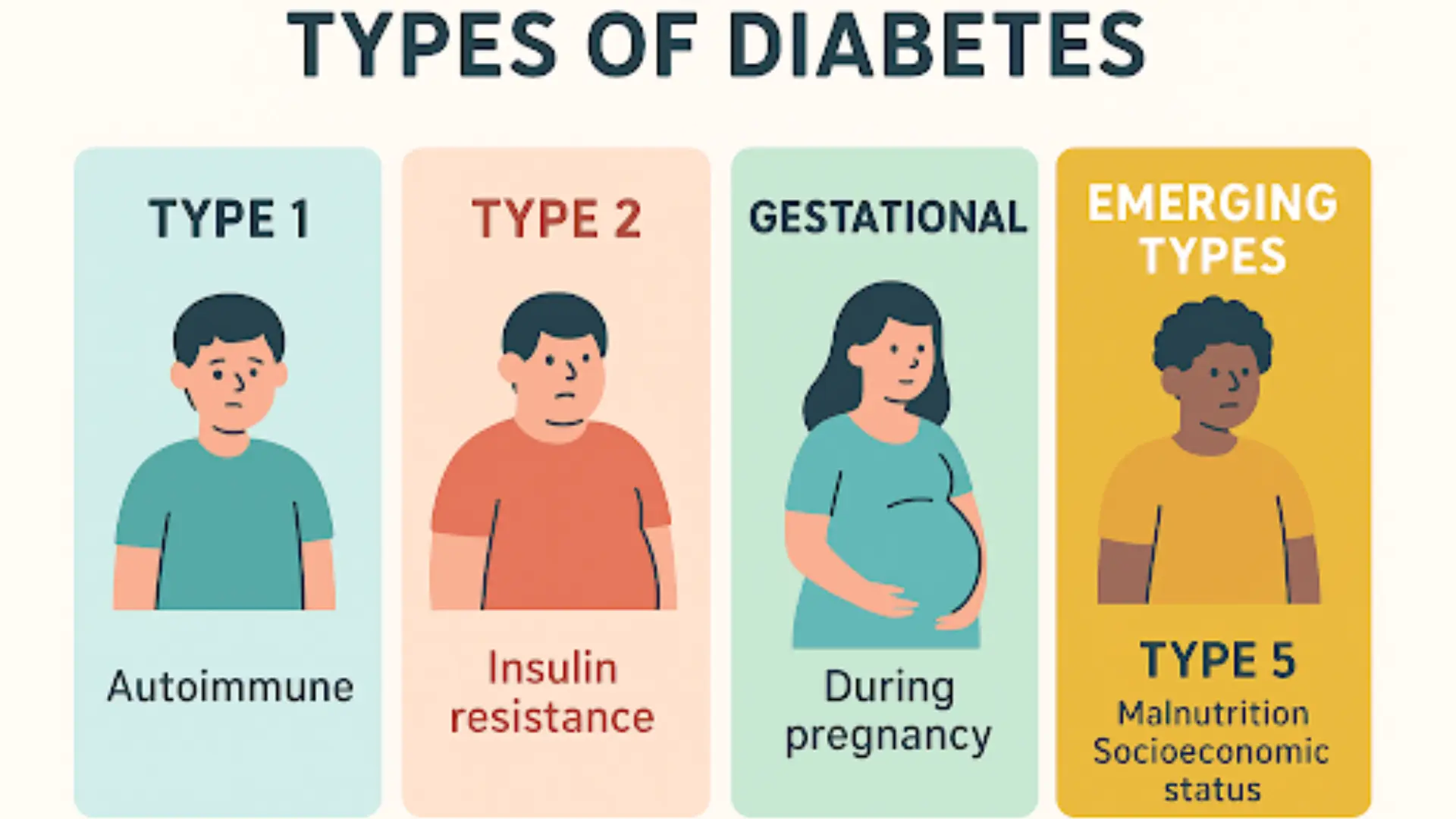
For decades, our understanding of diabetes has been largely framed by two primary categories: Type 1, an autoimmune condition where the body fails to produce insulin, and Type 2, a metabolic disorder characterized by insulin resistance. This classification has guided diagnosis and treatment strategies worldwide. However, as medical science advances, it is becoming increasingly clear that diabetes is a far more complex and heterogeneous disease. According to experts like Dr. Arun Karthik, the best diabetologist at Diacare Centre, Coimbatore, a significant number of patients today do not fit neatly into these traditional boxes, prompting researchers to explore new classifications.

One such emerging category that is gaining attention is “Type 5 Diabetes,” a proposed classification that could reshape our approach to treating individuals affected by malnutrition and socioeconomic hardship. This potential new category, which is being discussed by prominent organizations like the International Diabetes Federation, aims to provide a more accurate diagnosis for a specific subset of the diabetic population. Unlike the common perception of diabetes being linked to genetics, autoimmune disorders, or lifestyle factors associated with affluence, this form is intrinsically tied to poverty, malnutrition, and the challenges faced by low socioeconomic communities in developing nations. Understanding this distinction, as Dr. Arun Karthik emphasizes, is not just an academic exercise—it’s a crucial step toward offering targeted, compassionate care to some of the world’s most vulnerable populations.

Redefining the Spectrum of Diabetes

The conventional understanding of diabetes has served as a functional framework for many years. Type 1 diabetes is typically diagnosed in children and young adults and requires lifelong insulin therapy. Type 2 diabetes accounts for the vast majority of cases and is often linked to obesity, poor diet, and a sedentary lifestyle, although genetics also play a significant role. Beyond these, there are other specific types, such as gestational diabetes, which occurs during pregnancy, and monogenic diabetes (like MODY), which is caused by a single gene mutation.

However, there remains a group of patients who defy these classifications. They may not have the autoimmune markers of Type 1, nor do they fit the classic profile of a Type 2 patient—often, they are lean or even underweight. Their condition seems to be driven by different underlying factors, which is precisely why the concept of a new classification is so crucial. The “Type 5” designation is being considered for what is sometimes referred to as malnutrition-related diabetes mellitus (MRDM). This condition highlights that the path to high blood sugar is not always paved with excess; sometimes, it is born from deprivation.

The Profile of a “Type 5” Diabetes Patient

 Type 5 Diabetes

The patient profile for this emerging category is distinctly different from that of a typical Type 2 diabetic. These individuals often come from backward communities or low-income countries where chronic malnutrition is prevalent. The condition is thought to develop due to damage to the pancreas caused by long-term nutritional deficiencies, particularly a lack of protein and essential micronutrients during formative years. This damage impairs the pancreas’s ability to produce sufficient insulin, leading to hyperglycemia.

Key characteristics of this patient group may include:

  • Younger Age of Onset: They are often diagnosed at a younger age than typical Type 2 patients.
  • Lean Body Mass: Unlike the strong association between Type 2 diabetes and obesity, these individuals are typically thin.
  • History of Malnutrition: Their personal medical history is often marked by periods of severe food scarcity.
  • Socioeconomic Factors: They predominantly belong to lower socioeconomic strata.

The symptoms may be similar to other forms of diabetes—excessive thirst, frequent urination, unexplained weight loss, and fatigue. However, the underlying cause is fundamentally different. This is not about the body becoming resistant to insulin due to excess body fat; it is about the insulin-producing factory—the pancreas—being compromised due to a lack of essential building blocks. Recognizing this is the first step toward effective management, and it underscores the need for a highly skilled and knowledgeable physician. For anyone who suspects they have diabetes but doesn’t fit the standard profile, consulting the Best Diabetes Doctor in Coimbatore can be a life-changing decision, as such experts are often more attuned to these nuanced and complex presentations of the disease.

The Challenges and Importance of Accurate Diagnosis

Misclassifying a patient can lead to suboptimal treatment. For instance, if a lean individual with malnutrition-related diabetes is misdiagnosed with Type 2, they might be prescribed medications aimed at reducing insulin resistance, which would be largely ineffective if the core issue is insufficient insulin production. Conversely, a misdiagnosis of Type 1 could lead to an insulin regimen that doesn’t account for the patient’s unique metabolic state and nutritional needs.

Accurate diagnosis is therefore paramount. It allows for the development of a personalized treatment plan that addresses the root cause of the condition. Ongoing research, such as studies mentioned as being conducted at medical colleges, is focused on better understanding the pathophysiology of this type of diabetes. The goal is to establish clear diagnostic criteria and develop targeted therapeutic strategies that go beyond simple blood sugar control. This research is vital for moving the concept of “Type 5 Diabetes” from a theoretical proposal to a clinically useful classification that improves patient outcomes.

Also Read: How to Choose the Right Diabetes Treatment Plan for You?

A New Horizon for Treatment

Diabetic Management

Treating this form of diabetes requires a holistic and multifaceted approach. It is not enough to simply prescribe medication; the treatment plan must be comprehensive, addressing both the metabolic imbalance and the underlying nutritional deficiencies. A tailored strategy might include:

  • Insulin Therapy: Many of these patients will require insulin, as their primary problem is a failure of production. The dosage and type of insulin would need to be carefully managed.
  • Nutritional Rehabilitation: A critical component of treatment is a diet designed to correct malnutrition. This involves a carefully balanced intake of protein, healthy fats, complex carbohydrates, and essential vitamins and minerals to support pancreatic function and overall health.
  • Education and Support: Patients need education about their specific condition and how it differs from other types of diabetes. Continuous support is essential to help them manage their diet and lifestyle within the constraints of their socioeconomic situation.

This level of comprehensive, integrated care is often best delivered in a specialized environment. A dedicated Diabetic Centre in Coimbatore provides a one-stop solution where patients can access a multidisciplinary team of experts. Such centers bring together diabetologists, nutritionists, diabetes educators, and other specialists who can collaborate to create a truly holistic and personalized treatment plan. They are equipped to handle complex cases and are often involved in the very research that pushes the boundaries of our understanding of diseases like diabetes.

Conclusion

In conclusion, the conversation around Type 5 Diabetes represents a significant and necessary evolution in diabetology. It acknowledges that diabetes is not a single disease but a spectrum of conditions with varied causes and contexts. As Dr. Arun Karthik from Diacare Centre, Coimbatore, points out, recognizing and classifying this malnutrition-related form of diabetes can help the medical community move toward true precision medicine—care that adapts to each patient’s unique background. This perspective shines a light on how deeply social and economic factors shape health outcomes and reinforces an essential truth Dr. Arun Karthik often emphasizes: for treatment to be genuinely effective, it must be personalized, empathetic, and rooted in the realities of each individual’s life.

Categories
blog

Why Your Urine Looks Red: A Diabetes Alert?

Why Your Urine Looks Red: A Diabetes Alert?

Diabetes management is a complex, daily commitment that extends far beyond simply checking blood sugar levels. It involves paying attention to how the body feels and recognizing the subtle signals it gives.

While frequent urination is a commonly known symptom of high blood sugar, there are other urine-related changes that can be equally important. One of the most concerning among them is reddish-colored urine. This is not something to overlook.

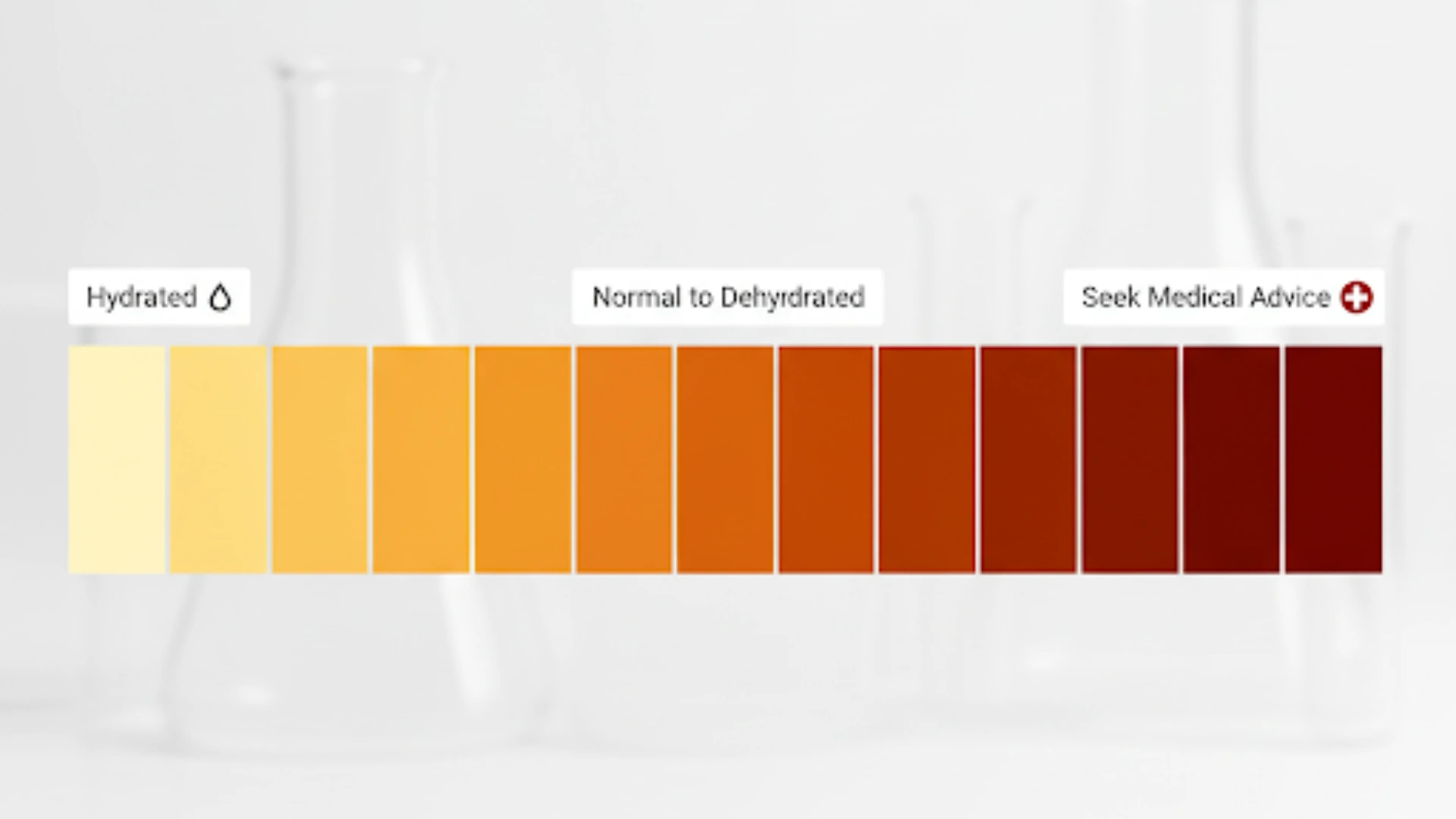
A shift in urine color can serve as a direct alert from the body, suggesting the possibility of internal complications that need prompt medical evaluation. Understanding and acting on these signs at the right time helps in preventing further health challenges.

If such symptoms appear, consulting an experienced specialist like Dr. Arun Karthik, the best sugar doctor in Coimbatore, can make a meaningful difference. With proper guidance and timely care, diabetes can be managed more safely and effectively.

The Kidneys: The Hardworking Filters of the Body

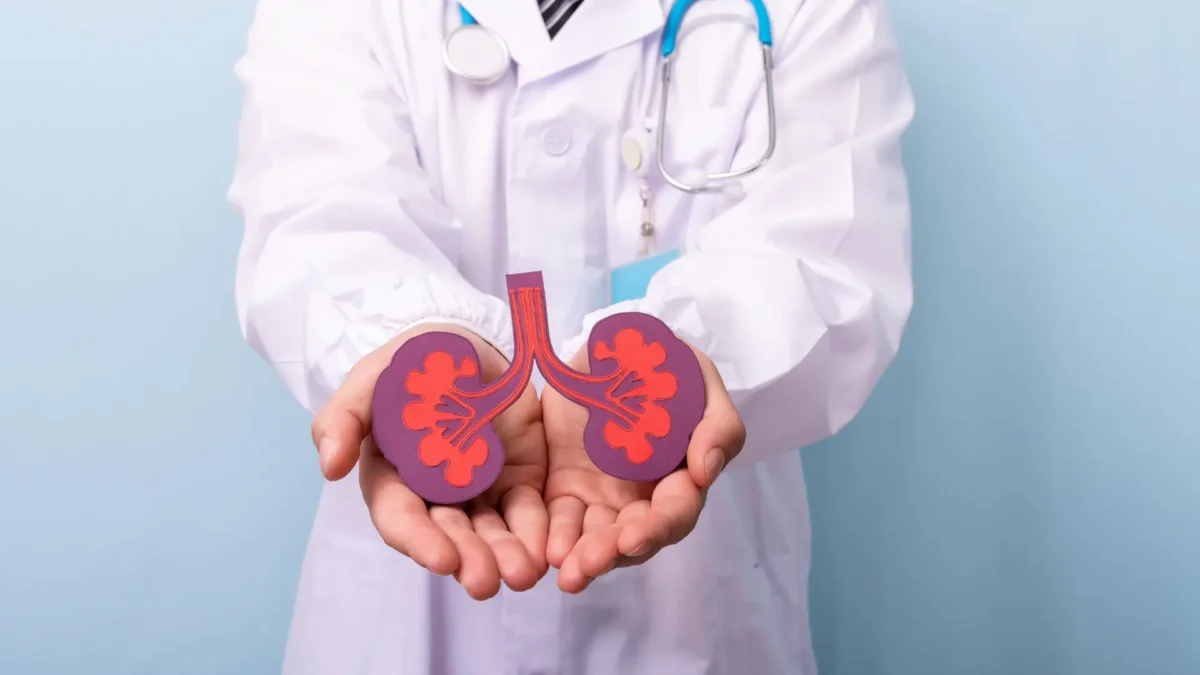
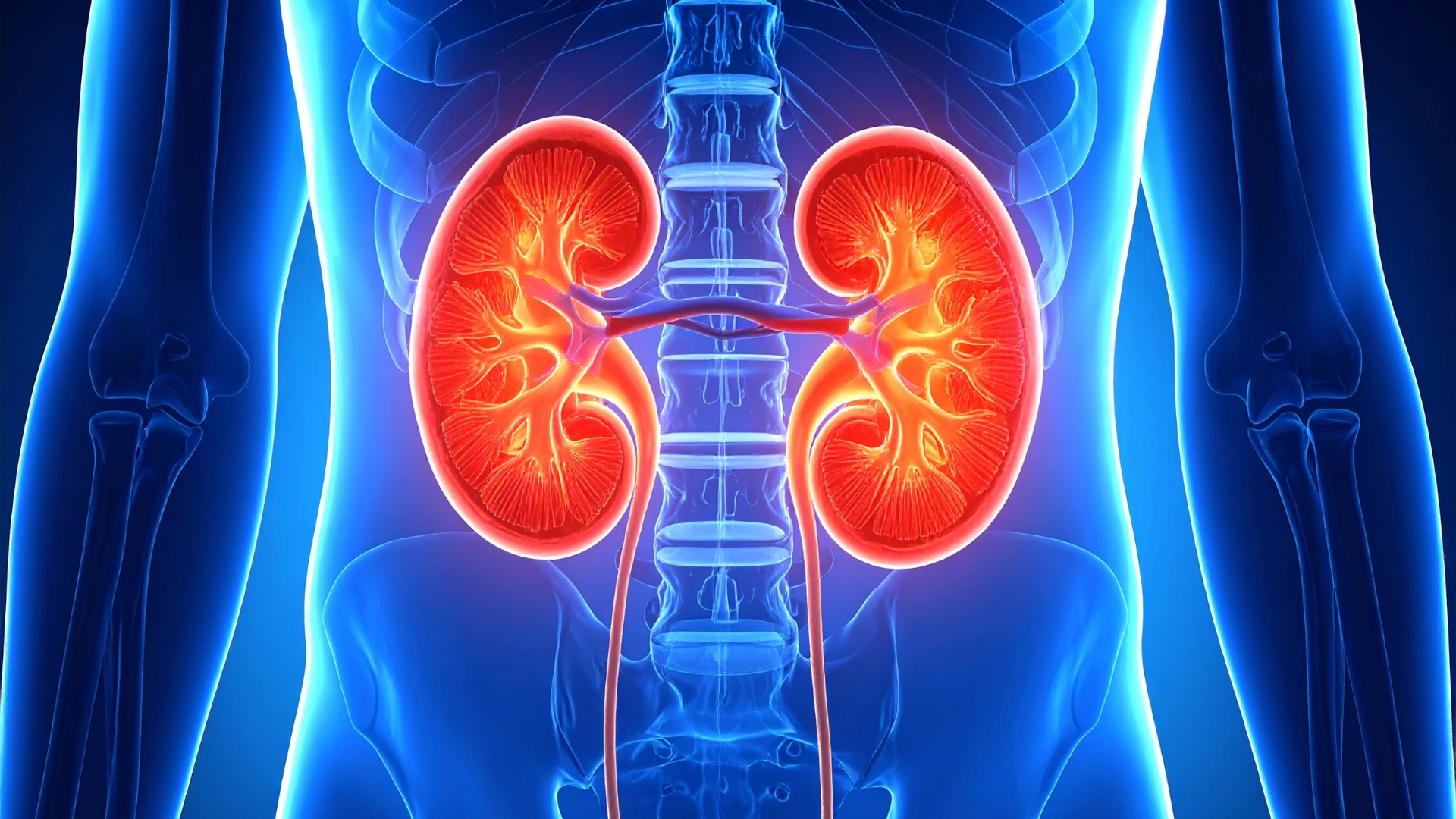
To understand why urinary changes occur in diabetes, it’s essential to first appreciate the role of the kidneys. These two bean-shaped organs are the body’s sophisticated filtration system. They work tirelessly to remove waste products and excess fluid from the blood, converting them into urine. This process involves a complex network of millions of tiny blood vessels with even tinier filters called glomeruli.

urine color change

When blood sugar levels are consistently high (a state known as hyperglycemia), this delicate system is put under immense strain. The excess sugar acts like a poison to the small blood vessels throughout the body, including those in the kidneys. Over time, this damage, known as diabetic nephropathy or diabetic kidney disease, can impair the kidneys’ ability to filter blood effectively. This damage doesn’t happen overnight; it’s a gradual process, and urinary changes are often the earliest detectable signs that something is wrong.

From Foam to Red: Decoding the Signals

Before the urine turns red, there may be other warnings. One of the first signs of diabetic kidney disease is often the appearance of foamy urine. This foam is caused by an excess of protein, specifically albumin, leaking from the blood into the urine—a condition called proteinuria or albuminuria. In a healthy kidney, the filters are too fine to let large molecules like protein pass through. When the filters are damaged, they become porous, allowing protein to escape.

Kidney

While foamy urine is an early warning, the sight of reddish or pink-tinged urine signals a potentially more advanced issue. This discoloration is typically caused by the presence of red blood cells, a condition known as hematuria. Just as the damaged filters can leak protein, they can eventually become damaged enough to allow blood cells to pass through into the urine. This is a clear sign that the kidney damage may be progressing.

Also Read: Six Proven Tips to Reverse Diabetes Naturally

What Causes Reddish Urine in Diabetes?

The appearance of blood in the urine for a person with diabetes can stem from several related issues:

    1. Advanced Diabetic Nephropathy: As mentioned, this is a primary concern. When the glomeruli are significantly damaged, they can no longer hold back red blood cells, leading to visible blood in the urine. This often indicates a more serious stage of kidney disease.
    2. Urinary Tract Infections (UTIs): Individuals with diabetes are more susceptible to UTIs. High blood sugar levels can weaken the immune system and create a more favorable environment for bacteria to thrive in the urinary tract. A UTI can cause inflammation and irritation in the bladder or urethra, leading to bleeding and, consequently, reddish urine.
    3. Kidney Stones: While not caused directly by diabetes, certain metabolic changes associated with the condition can increase the risk of developing kidney stones. These hard mineral deposits can cause intense pain and bleeding as they move through the urinary tract.
    4. Renal cell carcinoma or Bladder Cancer : Although not directly related to diabetes ,men of older age group, of about 70+ years can develop cancer in the urinary bladder or kidneys. The earliest sign of such a problem is not pain in the hip or abdomen , but passage of blood in urine. This must be promptly addressed with medical advice as soon as possible  
    5. Drugs : Certain medications ,such as those given for diabetic nerve damage can cause reddish orange tinge in the urine,which may be mistaken for blood . Aurine analysis would easily reveal the culprit !

It is crucial to understand that reddish urine should always be evaluated by a medical professional, as it can also be a symptom of other serious conditions, such as bladder or kidney cancer, which are unrelated to diabetes.

Taking Action: The Importance of Medical Consultation

The message the body sends through reddish urine is one of urgency. It is not a symptom to be watched or waited on. Ignoring it can allow underlying conditions, particularly kidney disease, to progress silently, potentially leading to irreversible damage and, in the worst cases, kidney failure.

A healthcare provider can perform simple tests to analyze the urine for blood, protein, and signs of infection. Further blood tests can assess kidney function, and imaging tests like an ultrasound may be used to get a clearer picture of the urinary system. Early diagnosis and intervention are key to preserving kidney function and preventing severe complications.

Healthy Lifestyle

The best defense against these complications is robust and consistent diabetes management. This includes:

  • Strict Blood Glucose Control: Keeping blood sugar levels within the target range is the most effective way to protect the kidneys from further damage.
  • Blood Pressure Management: High blood pressure often accompanies diabetes and is a major accelerator of kidney disease.
  • Regular Check-ups: Routine visits with a doctor, including annual urine and blood tests to monitor kidney health, are essential.
  • Healthy Lifestyle: A balanced diet low in sodium, regular physical activity, and avoiding smoking all play a significant role in protecting kidney health.

Conclusion

In conclusion, while the sight of reddish urine can be frightening, it is better understood as a critical opportunity to respond early. It is a clear signal that the body is asking for attention. By recognizing these warnings and taking timely action, individuals with diabetes can better protect their kidneys and safeguard their long-term health.

Working closely with a trusted specialist such as Dr. Arun Karthik, who provides the best diabetes treatment in Coimbatore, can make a meaningful difference. With the right medical guidance and consistent care, diabetes can be managed effectively and complications can be prevented.

Categories
blog

Five Sweet Foods That Actually Help Control Blood Sugar

Five Sweet Foods That Actually Help Control Blood Sugar

In a world where sugary treats are often seen as the enemy of stable blood glucose, the idea that sweet foods could actually support better sugar management might sound surprising. Yet, nutrition research continues to show that certain naturally sweet foods can play a positive role in controlling blood sugar when included in a balanced diet. 

As recommended by experts like Dr. Arun Karthik, widely regarded as one of the Best Diabetes Doctor in Coimbatore, incorporating the right kind of fruits and vegetables is key—not all sweets are off-limits. In fact, some sweet-tasting foods such as apples, berries, carrots, sweet potatoes, and pumpkin are rich in fiber, antioxidants, and essential nutrients that help the body process sugars more effectively. This exploration takes a closer look at the science behind these five wholesome foods and how they can become valuable allies in maintaining steady blood sugar levels while still enjoying natural sweetness.

The Power of Polyphenols and Fiber in Apples

Apples are a popular fruit enjoyed worldwide, and for good reason. They are not only delicious but also packed with nutrients that can aid in blood sugar management. A medium-sized apple contains a good amount of fiber, which is crucial for slowing down the digestion and absorption of sugar into the bloodstream. This slow and steady absorption prevents the rapid spikes in blood sugar that are often associated with high-sugar foods.

Apples

Furthermore, apples are rich in plant compounds called polyphenols, primarily found in the skin, which have been shown to improve insulin sensitivity and slow down the digestion of carbohydrates. Insulin resistance is a key factor in the development of type 2 diabetes, and by enhancing insulin sensitivity, the body can more effectively utilize insulin to manage blood sugar. Studies have even linked regular apple consumption to a reduced risk of developing type 2 diabetes. With a relatively low score on both the glycemic index (GI) and glycemic load (GL) scales, apples cause a minimal rise in blood sugar levels, making them an excellent choice for a sweet and healthy snack.

Berries: A Burst of Antioxidants for Blood Sugar Control

Berries, such as strawberries, blueberries, raspberries, and blackberries, are not only vibrant and flavorful but also potent sources of vitamins, minerals, fiber, and antioxidants. Their high fiber content, much like that of apples, aids in slowing down sugar absorption. What makes berries particularly beneficial for blood sugar control is their rich concentration of antioxidants, which have been shown to lower inflammation and blood sugar.

Berries

Several studies have demonstrated the positive impact of berry consumption on blood sugar regulation. For instance, research has shown that consuming berries with or after a meal high in starches can lead to a decrease in blood sugar levels. A 2019 study found that eating two cups of red raspberries with a high-carbohydrate meal significantly reduced post-meal insulin and blood sugar in adults with prediabetes. The natural sugars in berries are balanced by their high fiber content, making them a suitable and delicious choice for those monitoring their blood sugar.

Carrots: Dispelling the Myth of a Sugary Vegetable

Carrots have often been mistakenly labeled as a high-sugar vegetable to be avoided by those with diabetes. However, this is a misconception. Carrots are a non-starchy vegetable, and the American Diabetes Association recommends them for a healthy diet. The glycemic index of raw carrots is remarkably low, typically ranging between 16 and 41, meaning they have a minimal impact on blood sugar levels. While cooking does slightly increase their GI, it still remains in the low to moderate range.

Carrot

The fiber content in carrots plays a significant role in their blood sugar-friendly nature, helping to slow down the absorption of glucose. Carrots are also a rich source of carotenoids, a type of pigment with antioxidant properties that may be protective against diabetic retinopathy, a common complication of diabetes. Some research even suggests that diets high in alpha and beta carotene, which are abundant in carrots, may contribute to a reduced risk of type 2 diabetes. Therefore, incorporating carrots, whether raw or cooked in moderation, can be a sweet and nutritious way to support blood sugar management.

Sweet Potatoes: The Importance of Preparation

Sweet potatoes are another naturally sweet food that can be a healthy addition to a blood sugar-conscious diet, but with a crucial caveat: the cooking method matters. The glycemic index of sweet potatoes can vary significantly depending on how they are prepared. Boiled or steamed sweet potatoes have a much lower GI compared to baked or roasted ones. Boiling, in particular, helps to retain more of the sweet potato’s antioxidant power and results in a less significant blood sugar spike.

Sweet Potato

This root vegetable is a good source of fiber and nutrients. When prepared in a way that minimizes its glycemic impact, it can be a valuable carbohydrate source. It’s also important to consume the skin, as it contains a significant amount of antioxidants. By choosing the right cooking method, individuals can enjoy the sweet taste and nutritional benefits of sweet potatoes without causing a sharp rise in their blood glucose levels.

Also Read: Ten Everyday Foods to Help Control Diabetes Naturally

Pumpkin: A Low Glycemic Load Powerhouse

Pumpkin is a nutrient-dense and low-calorie food that can be a valuable part of a diet aimed at managing blood sugar. While it has a high glycemic index of 75, its glycemic load is low at 3. This means that in a typical serving size, pumpkin has a minimal impact on blood sugar levels.

Pumpkin

The high fiber content in pumpkin is a key factor in its ability to support blood sugar control. Fiber slows down the absorption of carbohydrates, which helps to prevent sudden spikes in blood glucose. Animal studies have shown that compounds in pumpkin may help reduce the need for insulin by promoting its natural production. While more research in humans is needed, the nutritional profile of pumpkin makes it a promising food for those looking to manage their blood sugar. It is important, however, to consume pure pumpkin rather than pumpkin-flavored products that are often high in added sugars.

Conclusion

In conclusion, adding naturally sweet foods to a diet for blood sugar management is not contradictory. Research shows that fruits and vegetables like apples, berries, carrots, sweet potatoes, and pumpkin can support stable sugar levels while still being enjoyable to eat. Their benefits come from their high fiber content, antioxidants, and the way they are prepared and included in daily meals. Understanding how these foods work helps individuals make smarter dietary choices, proving that natural sweetness can indeed have a place in a balanced lifestyle.

For those seeking expert guidance or Diabetes Treatment in Coimbatore, consulting a qualified specialist like Dr. Arun Karthik can provide customized diet plans and medical support. He can help tailor your food choices and lifestyle to maintain healthier and more stable blood sugar levels.